
C57BL/6N-Crbntm2(CRBN)Bcgen/Bcgen • 113236

CRBN: A key E3 ligase receptor for targeted protein degradation.

CRBN

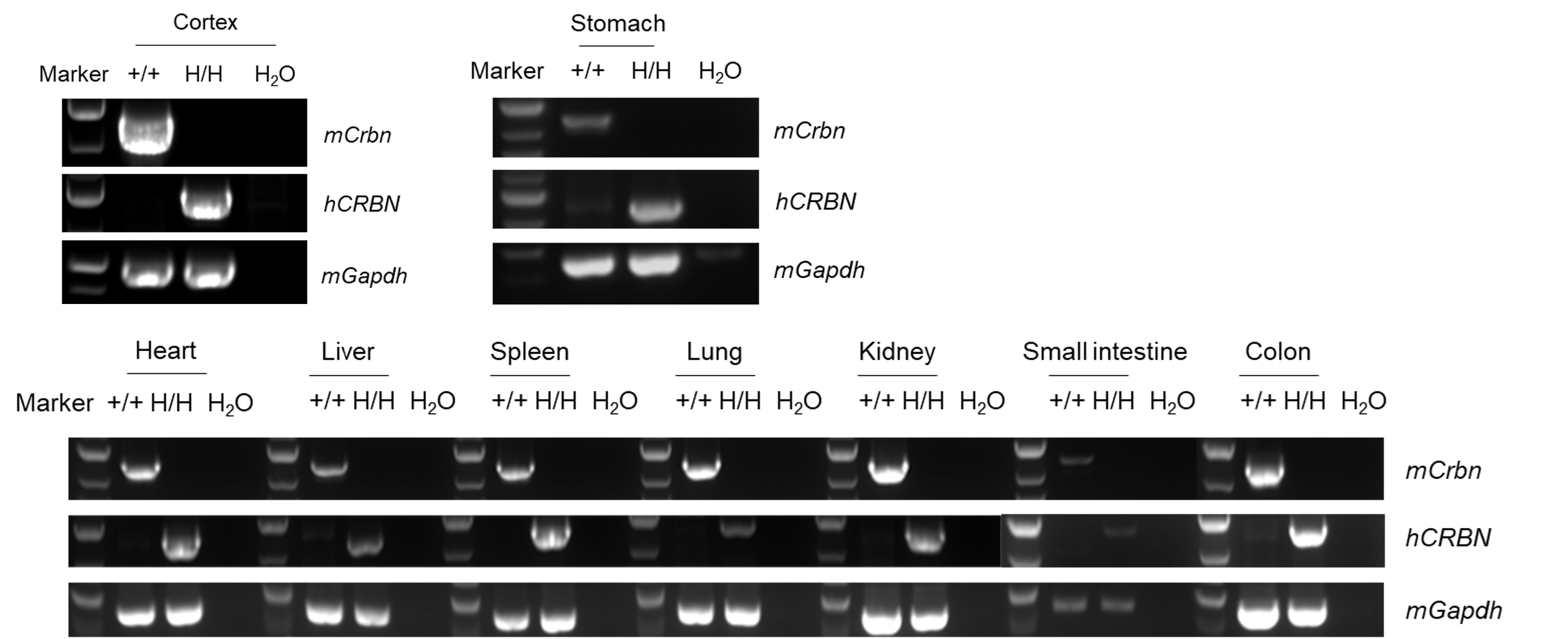
Strain specific analysis of CRBN mRNA expression in wild-type C57BL/6 mice and homozygous B-hCRBN mice by RT-PCR. Heart, liver, spleen, lung, kidney, stomach, small intestine, colon and cortex RNA was isolated from wild-type C57BL/6 mice (+/+) and homozygous B-hCRBN mice (H/H), then cDNA libraries were synthesized by reverse transcription, followed by PCR with mouse or human CRBN primers. Sequencing of the short-form PCR products confirmed that the amplified sequences were consistent with database reference sequences.
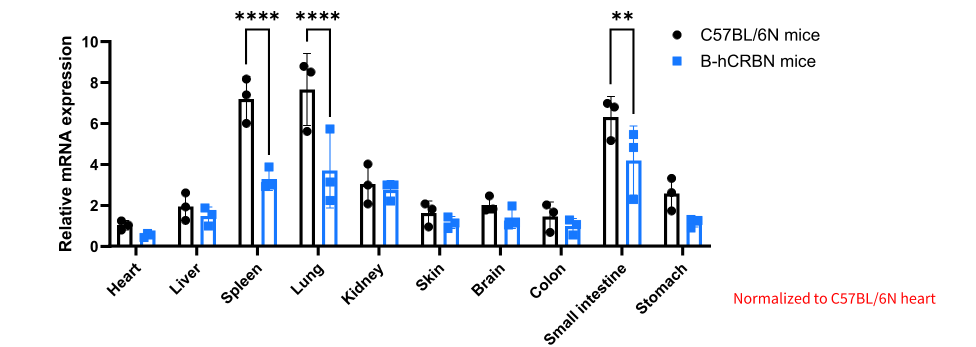
qPCR analysis of CRBN/Crbn mRNA expression in C57BL/6N mice and homozygous B-hCRBN mice. Various tissue RNA were isolated from wild-type C57BL/6Nmice (+/+) (Female, 7 week-old, n=3) and homozygous B-hCRBN mice (H/H) (Female, 7 week-old, n=3) , then cDNA libraries were synthesized by reverse transcription,followed by qPCR with primers designed to target the identical sequence of hCRBN/mCrbn shared by wild-type C57BL/6N and homozygous B-hCRBN mice. RelativemRNA expression levels were normalized to the level in the heart of C57BL/6N mice. Values were expressed as mean ± SEM. Significance was determined by 2
way ANOVA. *P < 0.05, **P < 0.01, ***P < 0.001, ****P < 0.0001.
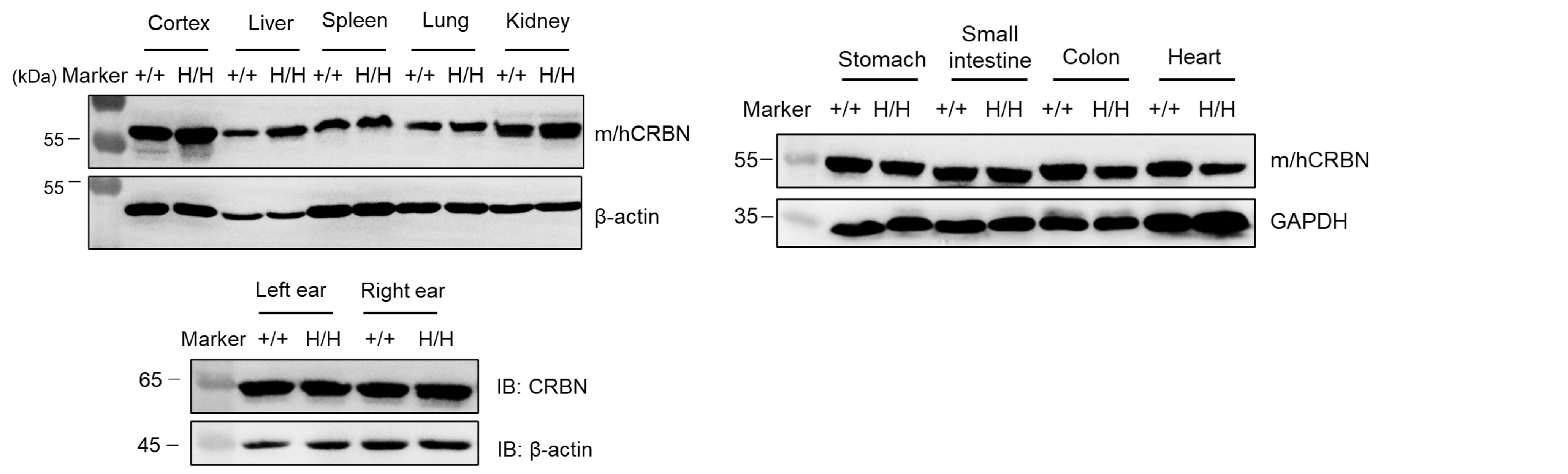
Strain specific CRBN expression analysis in homozygous B-hCRBN mice by Western blot. The cortex, liver, spleen, lung, kidney, stomach, small intestine, colon, heart and ear were collected from wild-type C57BL/6 mice (+/+) and homozygous B-hCRBN mice (H/H) and then analyzed by western blot with anti-CRBN antibody (CST, #71810).
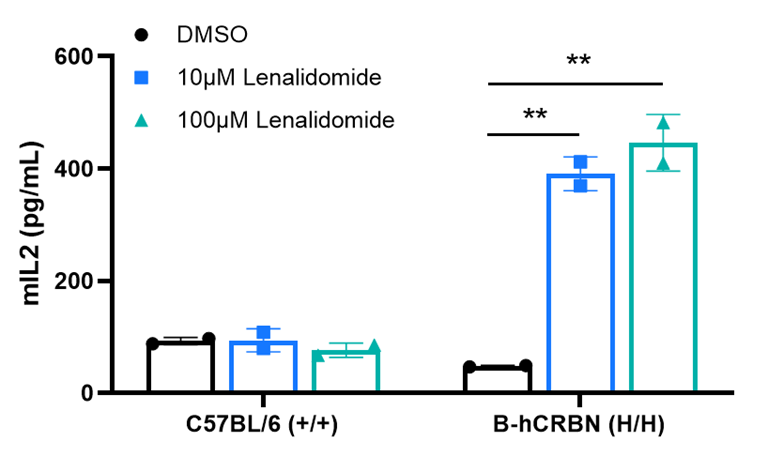
Naive CD4+ T cells derived from B-hCRBN mice exhibited increased IL-2 secretion after treatment with Lenalidomide. Naive CD4+ T cells were collected from wild-type C57BL/6 mice (+/+) and homozygous B-hCRBN mice (H/H), then stimulated with DMSO or Lenalidomide (MCE, HY-A0003) in vitro for 24 hours. The supernatants were collected, and IL-2 production was measured by ELISA (Biolegend, 431004).
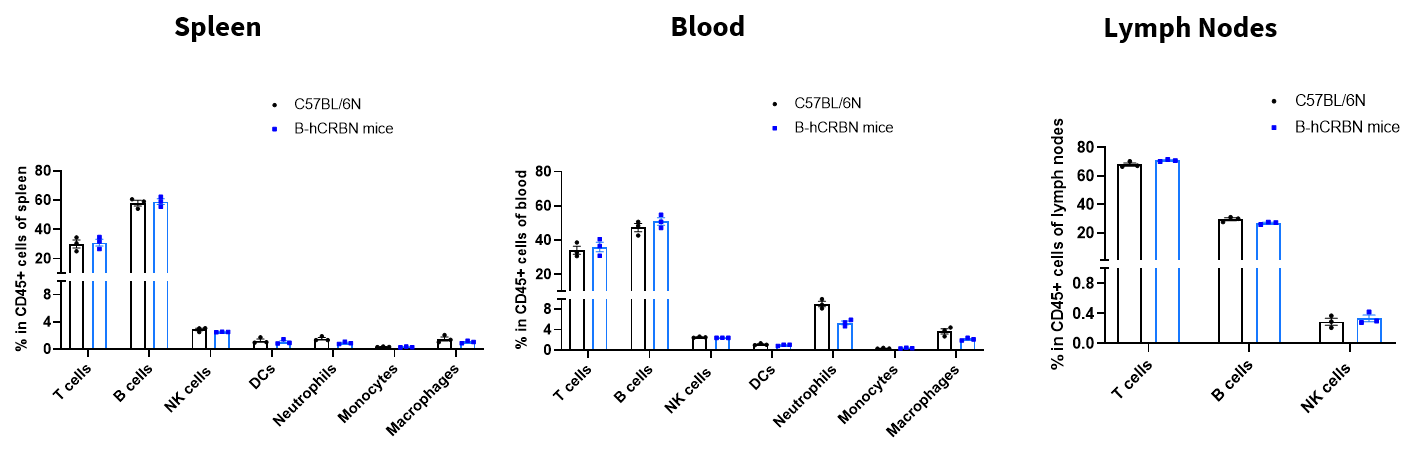
Analysis of leukocyte subpopulations by flow cytometry in immune organs and blood. Splenocytes, peripheral blood, and lymph nodes were isolated from female C57BL/6N and B-hCRBN mice (female, 8-week-old, n = 3). Single live cells were gated on the CD45⁺ population and analyzed by flow cytometry as indicated. Values are expressed as mean ± SEM.
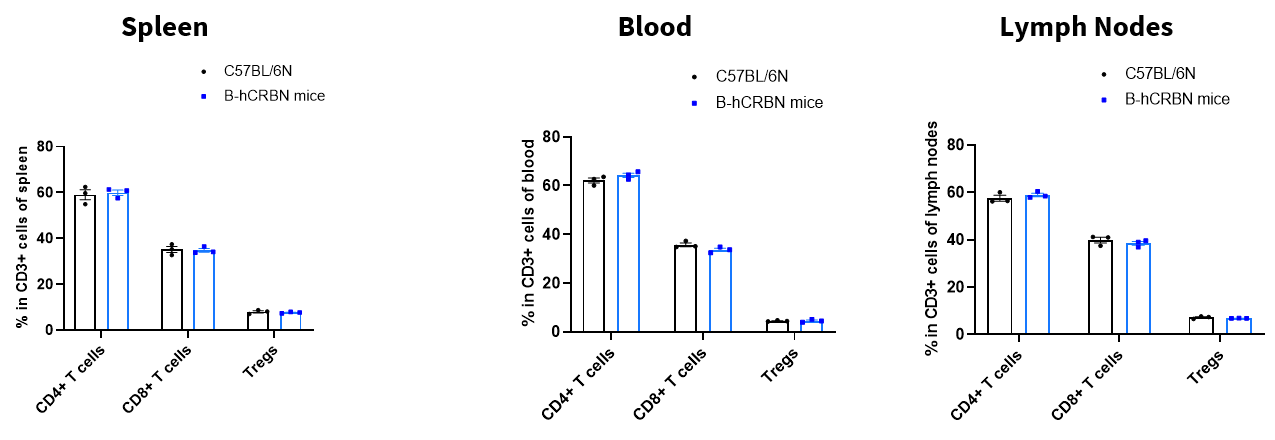
Analysis of T-cell subpopulations by flow cytometry in immune organs and blood. Splenocytes, peripheral blood, and lymph nodes were isolated from female C57BL/6N and B-hCRBN mice (female, 8-week-old, n = 3). Single live cells were gated on the CD3⁺ T-cell population and analyzed by flow cytometry as indicated. Values are expressed as mean ± SEM.
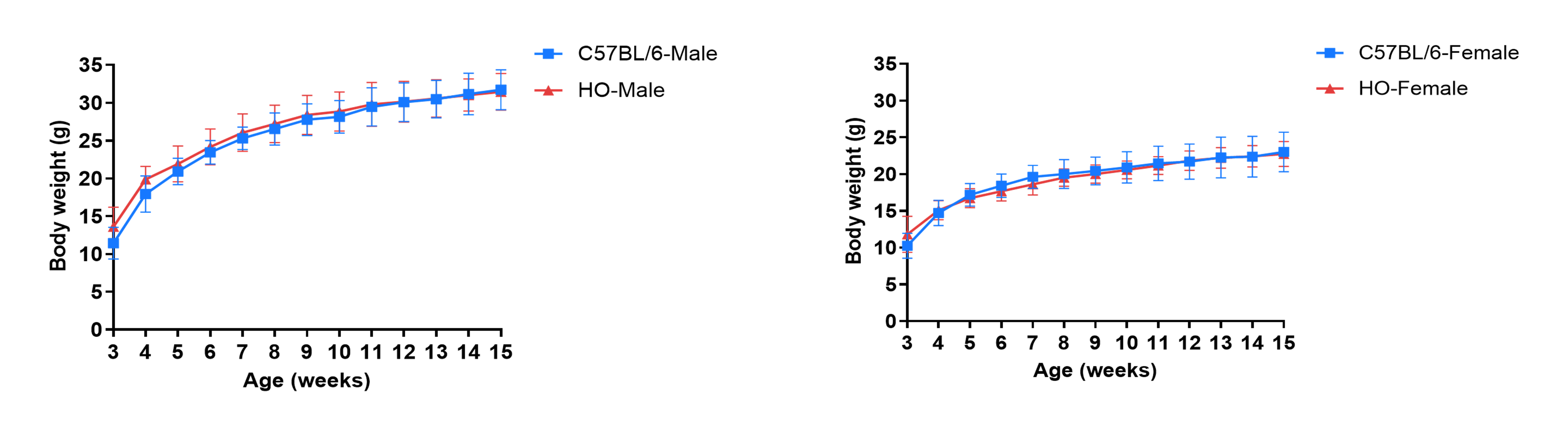
Growth curve of B-hCRBN mice. Three-week-old mice were grouped by sex (10 males and 10 females). Body weight was measured weekly for 13 weeks on the same day each week. The minimum and maximum body weights shown in the table were calculated from the mean ± SD. The growth curve follows a normal distribution, with approximately 68% of values falling within ± SD.
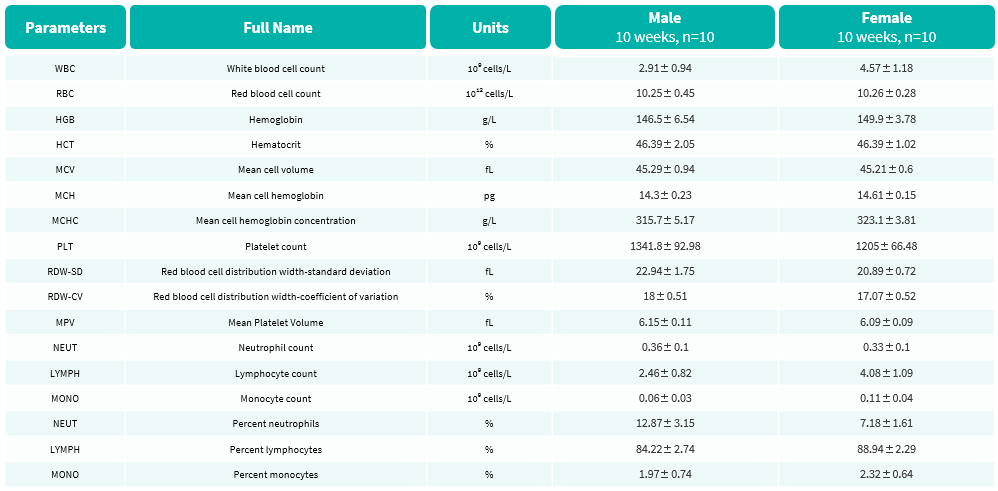
Complete blood count (CBC) of B-hCRBN mice. Values are expressed as mean ± SD.
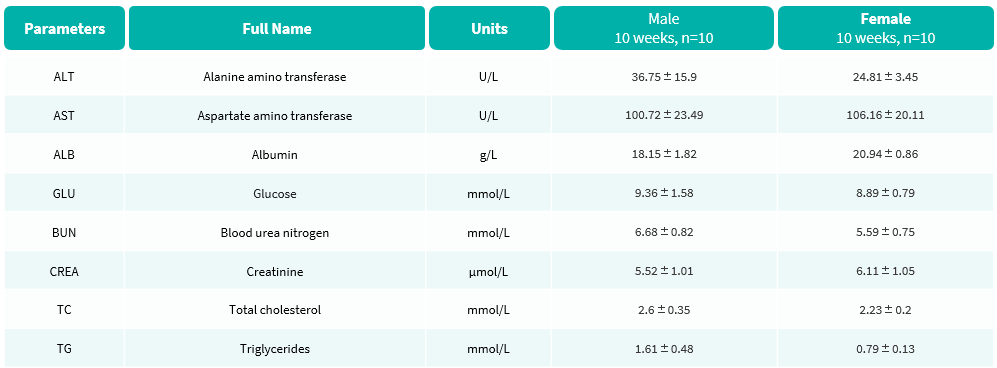
Blood biochemical parameters of B-hCRBN mice are shown. Values are expressed as mean ± SD.
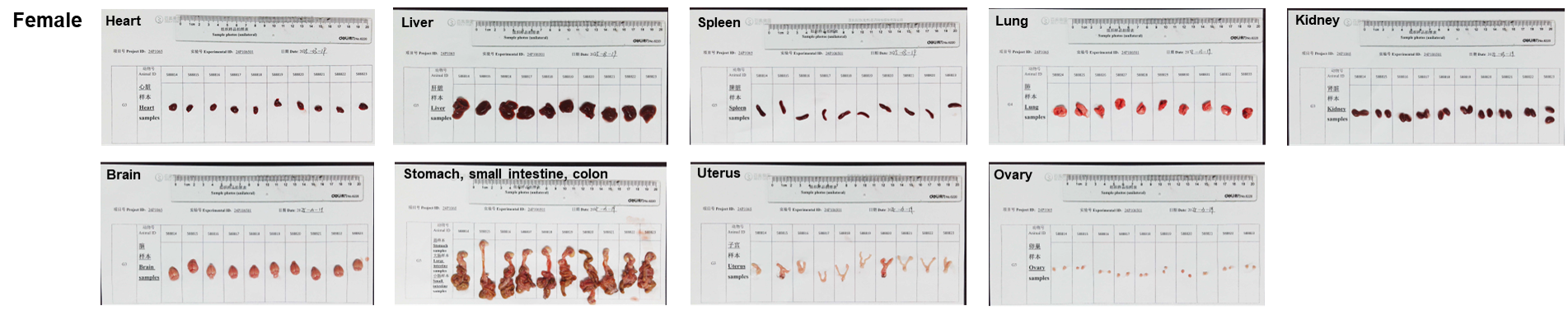
Organs of female B-hCRBN mice (10-week-old, n = 10).
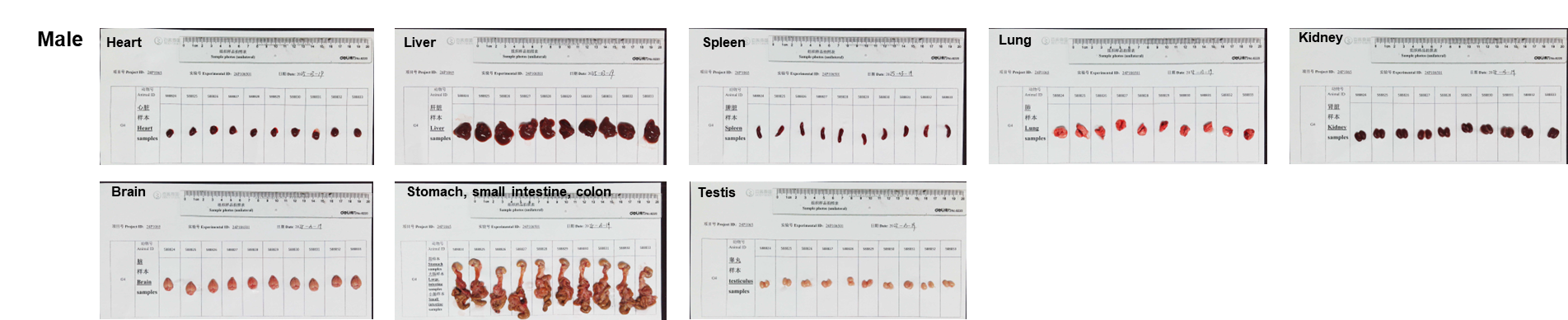
Organs of male B-hCRBN mice (10-week-old, n = 10).
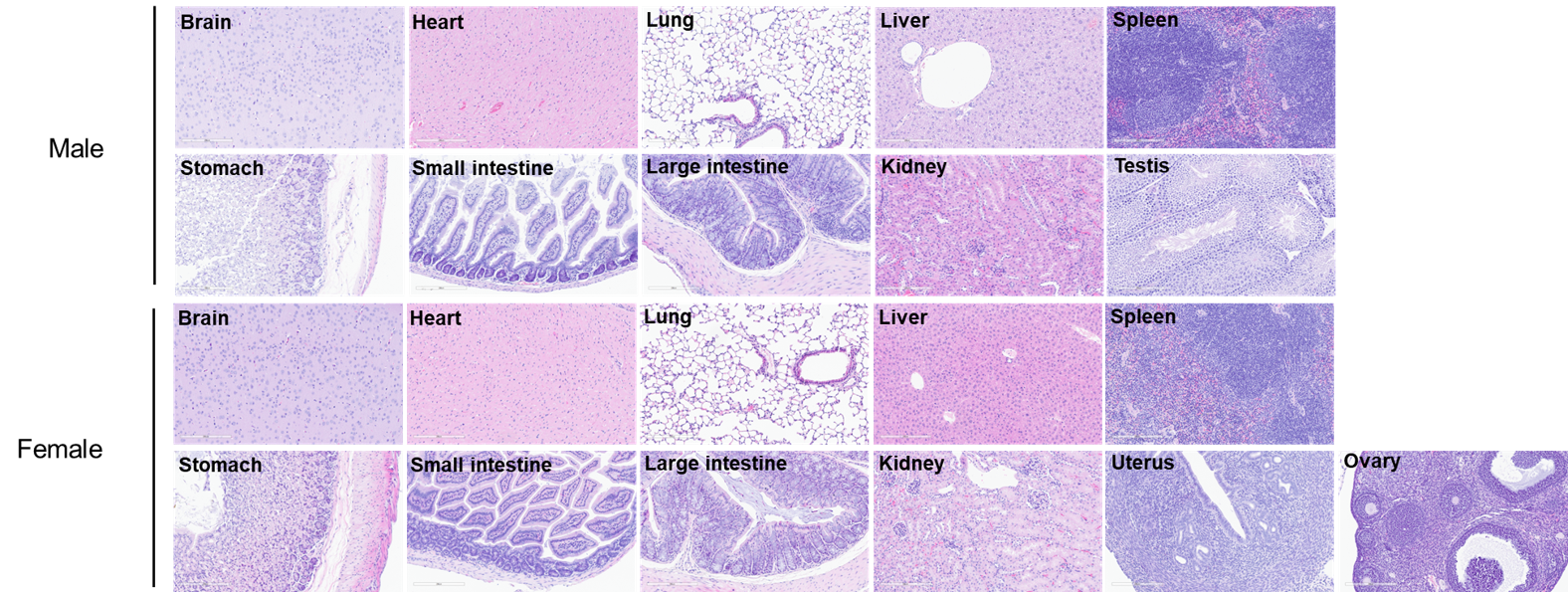
Histopathological analysis of organs in B-hCRBN mice. Major organs from B-hCRBN mice were collected at 10 weeks of age and analyzed by H&E staining (male, n = 10; female, n = 10).


In vivo Efficacy of NEK7-molecular glue (by the client) in mouse peritonitis model. B-hCRBN mice were dosed orally, BID, with vehicle or compound, starting 24h prior to stimulation. On the stimulation day, animals received a final dose, followed 1h later by LPS (1mg/kg, i.p.), and nigericin (3mg/kg, i.p.) 3h after LPS. Two hours later, spleens and peritoneal lavage fluid were collected for analysis.
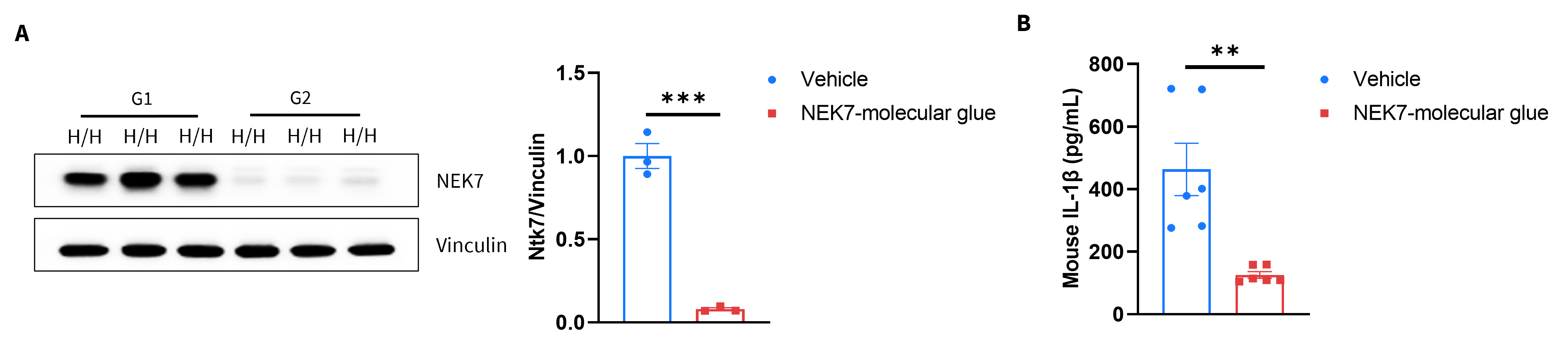
Analysis of spleen and peritoneal lavage fluid by WB and ELISA. (A) Spleen tissue lysates were collected and analyzed by western blot with anti-NEK7 antibody. Relative NEK7 protein levels were quantified by densitometric analysis and presented.(B) Peritoneal lavage fluid were collected and mouse IL-1β was analyzed by ELISA. Values are expressed as mean ± SEM. Significance was determined by unpaired t-test. *P < 0.05, **P < 0.01, ***P < 0.001.
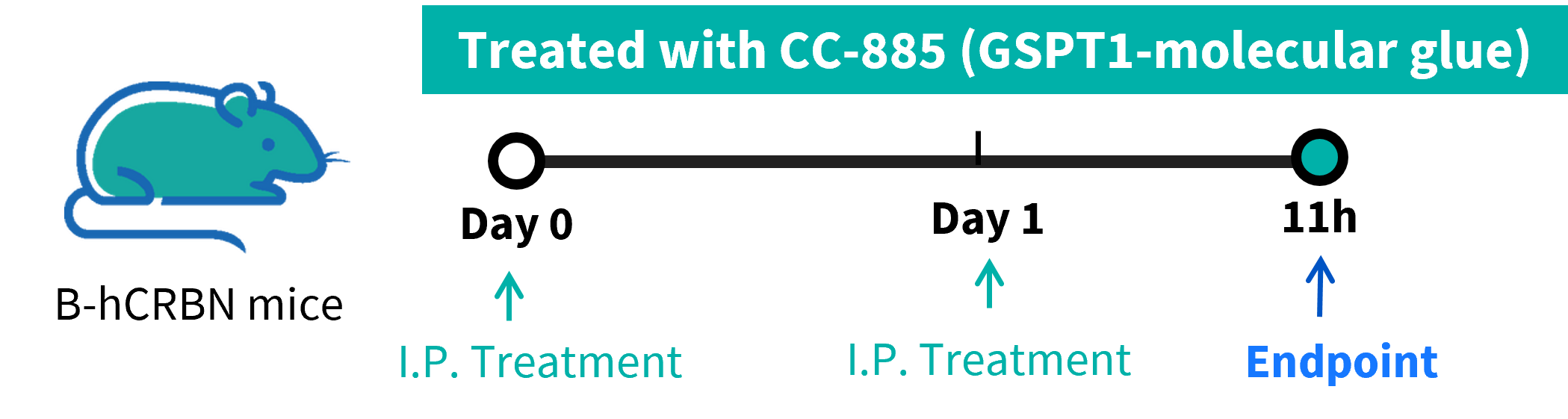
In vivo toxicity of CC-885. (A) B-hCRBN mice and C57BL/6N mice were administered the CC-885 intraperitoneally once daily, mice were euthanized 11 hours after the final dose on the following day, Lymph node, liver and large intestine were collected for analysis.
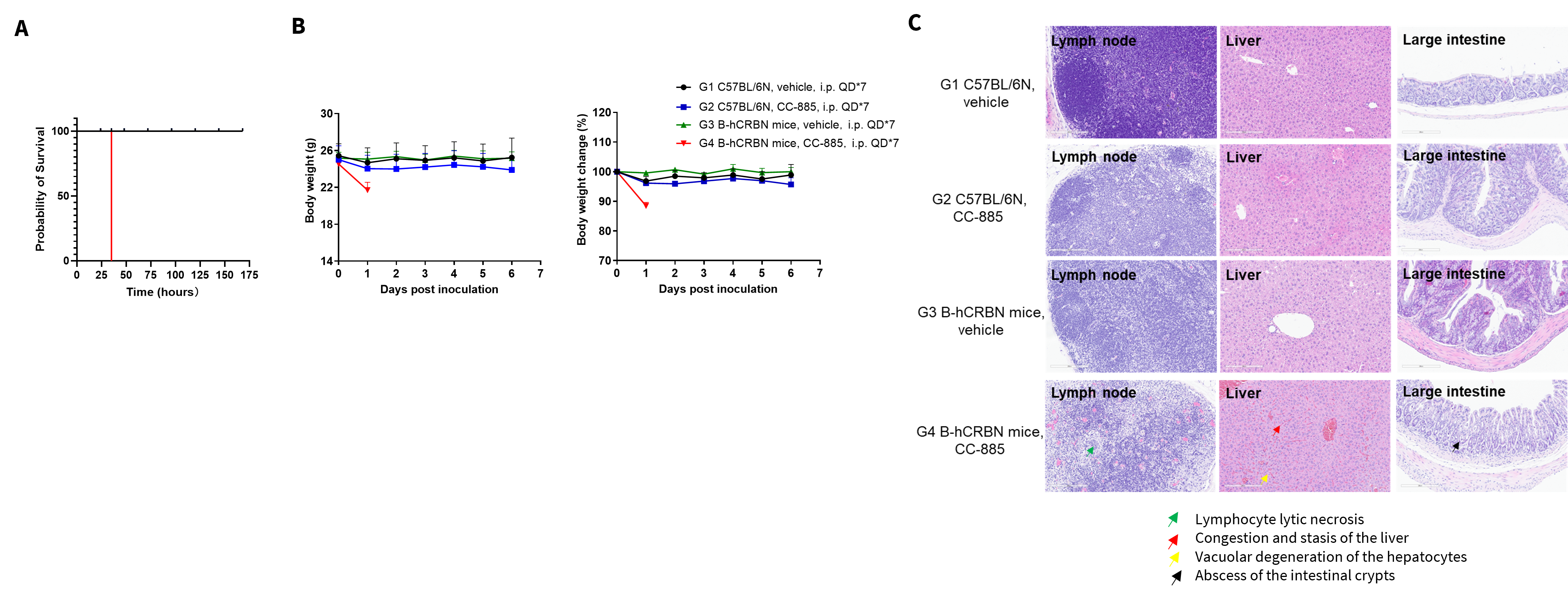
In vivo toxicity of CC-885. Lymph node, liver and large intestine were collected for analysis. (A) Percent survival. (B) Body weight and body weight change during the treatment. (C) Histopathological analysis. Scale bar: 100 μm.
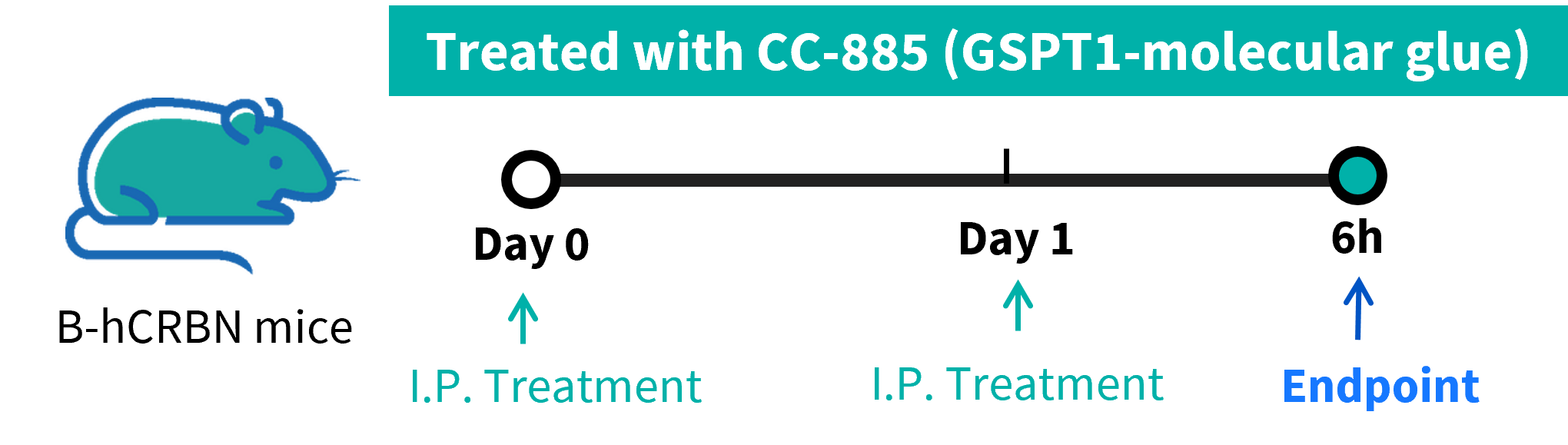
In vivo toxicity of CC-885. B-hCRBN mice and C57BL/6N mice were administered the CC-885 intraperitoneally once daily, mice were euthanized 6 hours after the final dose on the following day, skeletal muscle, heart and blood were collected for analysis.
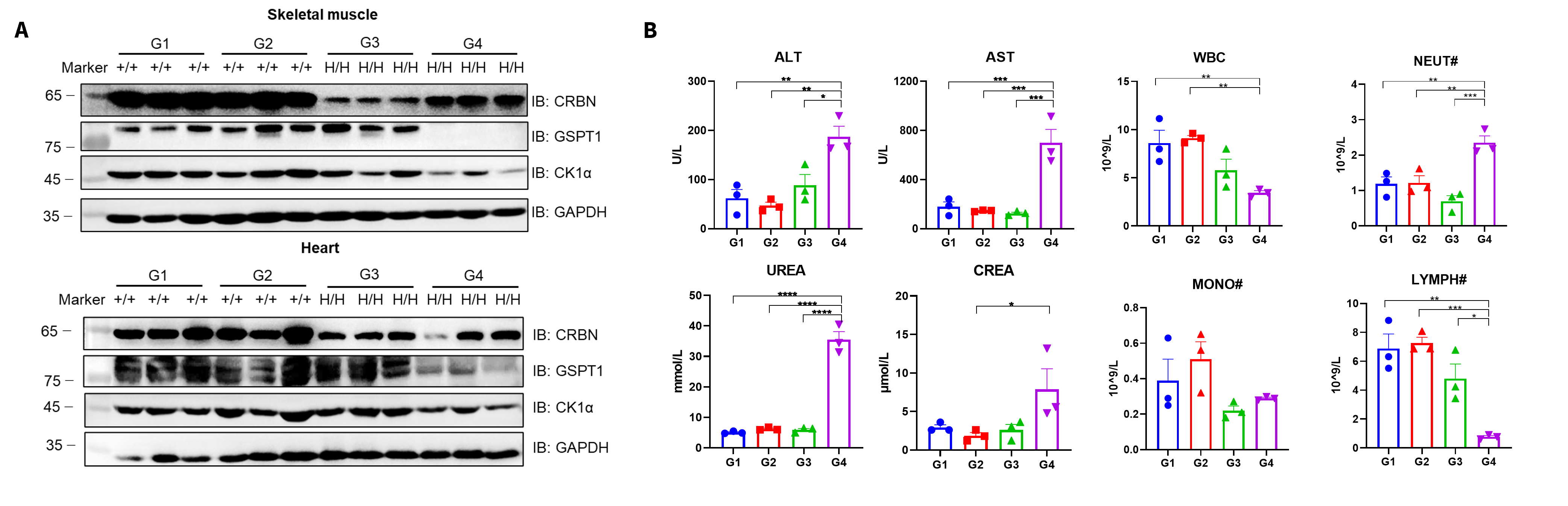
Skeletal muscle, heart and blood were collected for analysis. Skeletal muscle and heart tissue lysates were collected from all group, then analyzed by western blot with anti-CRBN antibody (CST, #71810), anti-GSPT1 antibody (Abcam, ab234433) and anti-CK1α antibody (Abcam, ab302638). 40 μg total proteins were loaded for western blotting analysis. (A) Western blot analysis of GSPT1 protein expression. (B) Biochemical test and complete blood count (Additional hematological parameters are not shown.)

Q: What is the strategy of B-hCRBN mice (113236)?
A: B-hCRBN mice were constructed by inserting human CRBN starting from the 24th amino acid of mouse Crbn. Since the first 23 amino acids are completely identical between human and mouse, the human sequence was inserted from the 24th amino acid onward. In the mouse, amino acids 1–23 in the second exon were retained, while the remainder of exon 2 and all of exon 3 were knocked out.
Q: What is the difference between B-hCRBN mice (113236) and I391V point mutation mice?
A: Regarding B-hCRBN mice, we have generated a full human CRBN protein replacement, which also includes the I391V point mutation. Therefore, we have not developed a separate point mutation mouse model. The reasons are as follows: