
B-hCD98HC mice

C57BL/6N-Slc3a2tm1(SLC3A2)Bcgen/Bcgen • 110983

B-hCD98HC mice

Catalog Number: 110983
Strain Name: C57BL/6N-Slc3a2tm1(SLC3A2)Bcgen/Bcgen
Strain Background: C57BL/6N
NCBI gene ID: 6520 (Human)
Aliases: 4F2; CD98; MDU1; 4F2HC; 4T2HC; NACAE; CD98HC
---
ライセンスオプション提供可能
B-hCD98HC mice

このページで

  • Description
  • Targeting strategy
  • Phenotypic analysis
  • Efficacy

ポスター

すべて表示

    出版物

      Description

      Key Advantages:

      • Full human gene replacement: Exons 2–10 of murine Cd98 replaced with human CD98 exons 4–12.
      • Physiological expression: Human CD98HC is expressed in T cells, B cells, and brain microvascular endothelial cells.
      • CNS translational value: Enables in vivo evaluation of antibody penetration across the blood-brain barrier (BBB).
      • Immunological stability: Leukocyte subpopulations in spleen, blood, and lymph nodes remain consistent with wild-type mice.
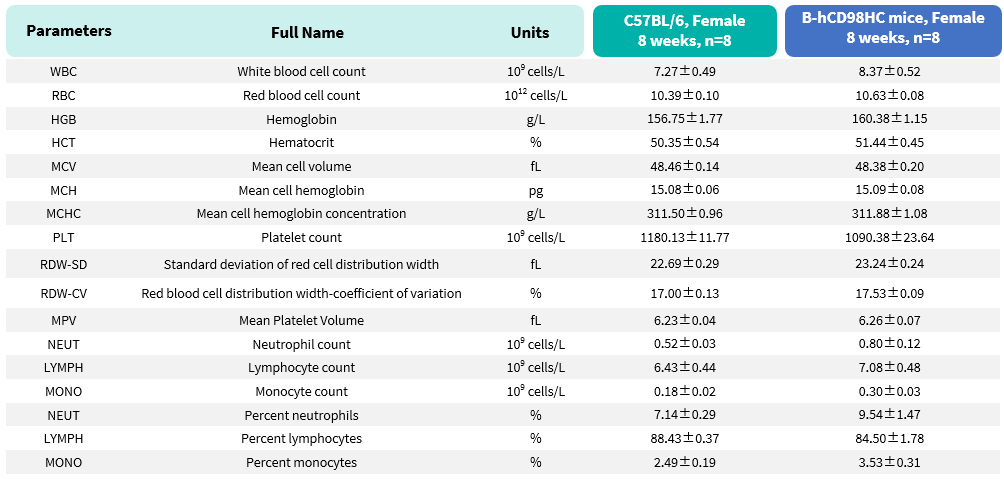
      • Safety predictability: No changes in hematology, liver function (ALT, AST), or overall health.
      • Preclinical utility: Supports oncology research, autoimmune disease studies, and CNS drug delivery validation.

      Model Validation:

      • Human CD98HC expression: Confirmed in homozygous CD98HC humanized mice by RT-PCR, flow cytometry, immunofluorescence, and Western blot.
      • Tissue distribution: Human CD98HC protein detected in spleen, lung, kidney, and brain, including brain microvascular endothelium.
      • Age stability: CD98HC mRNA expression remains consistent across 8-, 16-, and 24-week-old mice.
      • Immune profiling: Frequencies of T cells, B cells, NK cells, DCs, monocytes, macrophages, neutrophils, CD4⁺, CD8⁺ T cells, and Tregs comparable to wild-type controls.

      Applications:

      • Oncology Research: Study CD98HC’s role in tumor metabolism, integrin signaling, and amino acid transport.
      • CNS Drug Delivery: Evaluate blood-brain barrier penetration and brain uptake of therapeutic antibodies.
      • Antibody Validation: Preclinical testing of anti-CD98HC antibodies for binding, efficacy, and biodistribution.
      • Immunology & Autoimmunity: Investigate CD98HC in immune cell activation and chronic inflammatory diseases.
      • Metabolic Research: Explore CD98HC-mediated amino acid transport and its contribution to metabolic regulation.
      • Safety & Toxicology: Assess off-target effects, hematology, and biochemistry in a humanized background
      Targeting strategy

      Gene targeting strategy for B-hCD98HC mice. The exons 2-10 of mouse CD98HC gene that encode extracellular domain are replaced by human CD98HC exons 4-12 in B-hCD98HC mice. The genomic region of mouse CD98HC gene that encodes cytoplasmic portion is retained. The promoter, 5’UTR and 3’UTR region of the mouse gene are also retained. The chimeric CD98HC expression is driven by endogenous mouse CD98HC promoter, while mouse CD98HC gene transcription and translation will be disrupted.

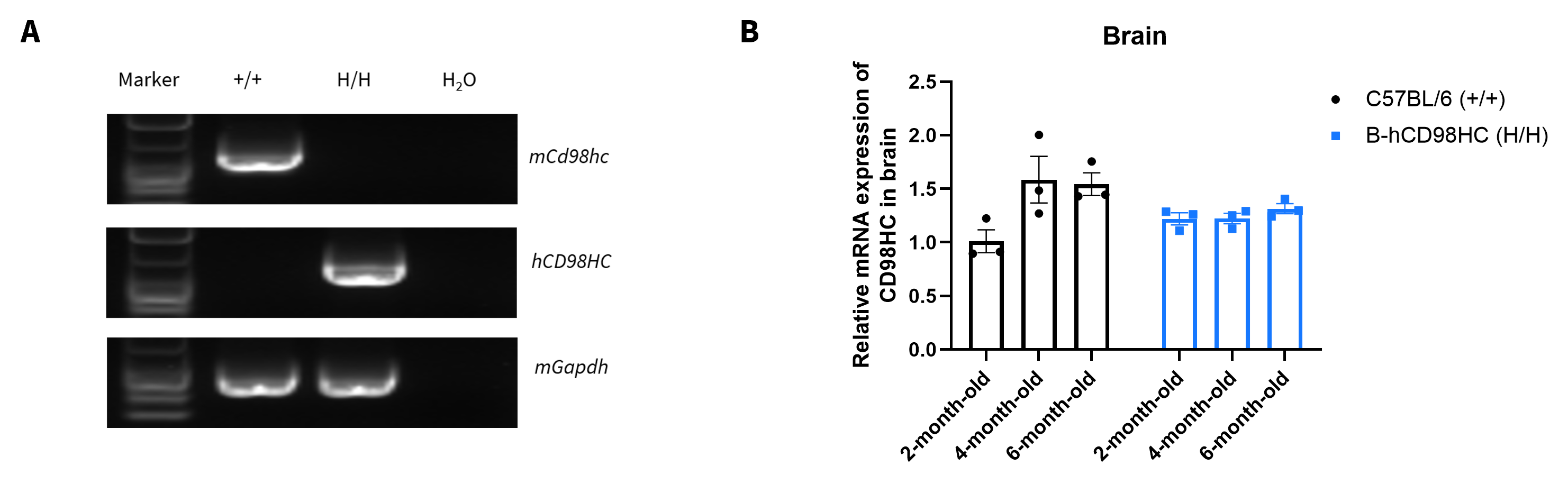
      mRNA Expression Analysis
      • (A) Human CD98HC mRNA is exclusively detectable in kidney of homozygous B-hCD98HC mice, but not in wild-type C57BL/6 mice.
      • (B) Relative CD98HC mRNA expression levels in the brain were comparable between B-hCD98HC mice and wild-type C57BL/6 mice across 2, 4 and 6-months old.

      Strain-specific CD98HC expression analysis in wild-type C57BL/6 mice and homozygous B-hCD98HC mice. (A) Kidney RNA was isolated from wild-type C57BL/6 mice (+/+) and homozygous B-hCD98HC mice (H/H), then cDNA libraries were synthesized by reverse transcription, followed by PCR with mouse or human CD98HC primers. (B)  Quantitative real-time PCR (qRT-PCR) analysis of relative CD98HC mRNA expression in the brain of male wild-type C57BL/6 mice and homozygous B-hCD98HC mice at 2, 4 and 6-months of age. Expression levels were normalized to CD98HC expression in brain of 2-month-old C57BL/6 male mice. Values are expressed as mean ± SEM.
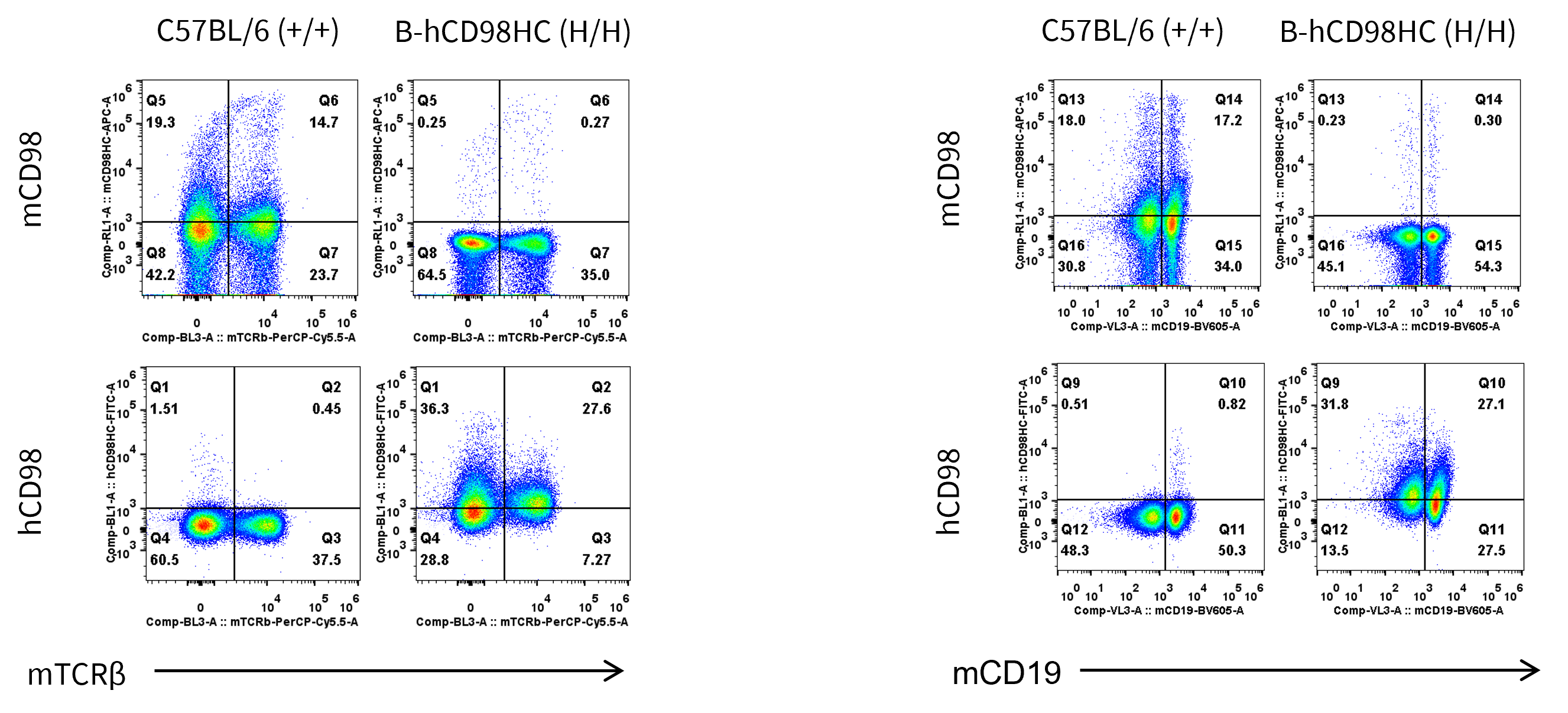
      Protein Expression Analysis
      • Mouse CD98hc is detectable only in wild-type C57BL/6 mice.
      • Human CD98HC is detectable only in homozygous B-hCD98HC mice, but not in wild-type C57BL/6 mice.

      Strain specific CD98HC expression analysis in wild-type C57BL/6 mice and homozygous humanized B-hCD98HC mice. Splenocytes were collected from wild-type C57BL/6 mice (+/+) and homozygous B-hCD98HC mice (H/H) (female, 7-week-old, n=1). Protein expression was analyzed with anti-mouse CD98HC antibody (Biolegend, 128211) and anti-human CD98HC antibody (Biolegend, 315603) by flow cytometry.
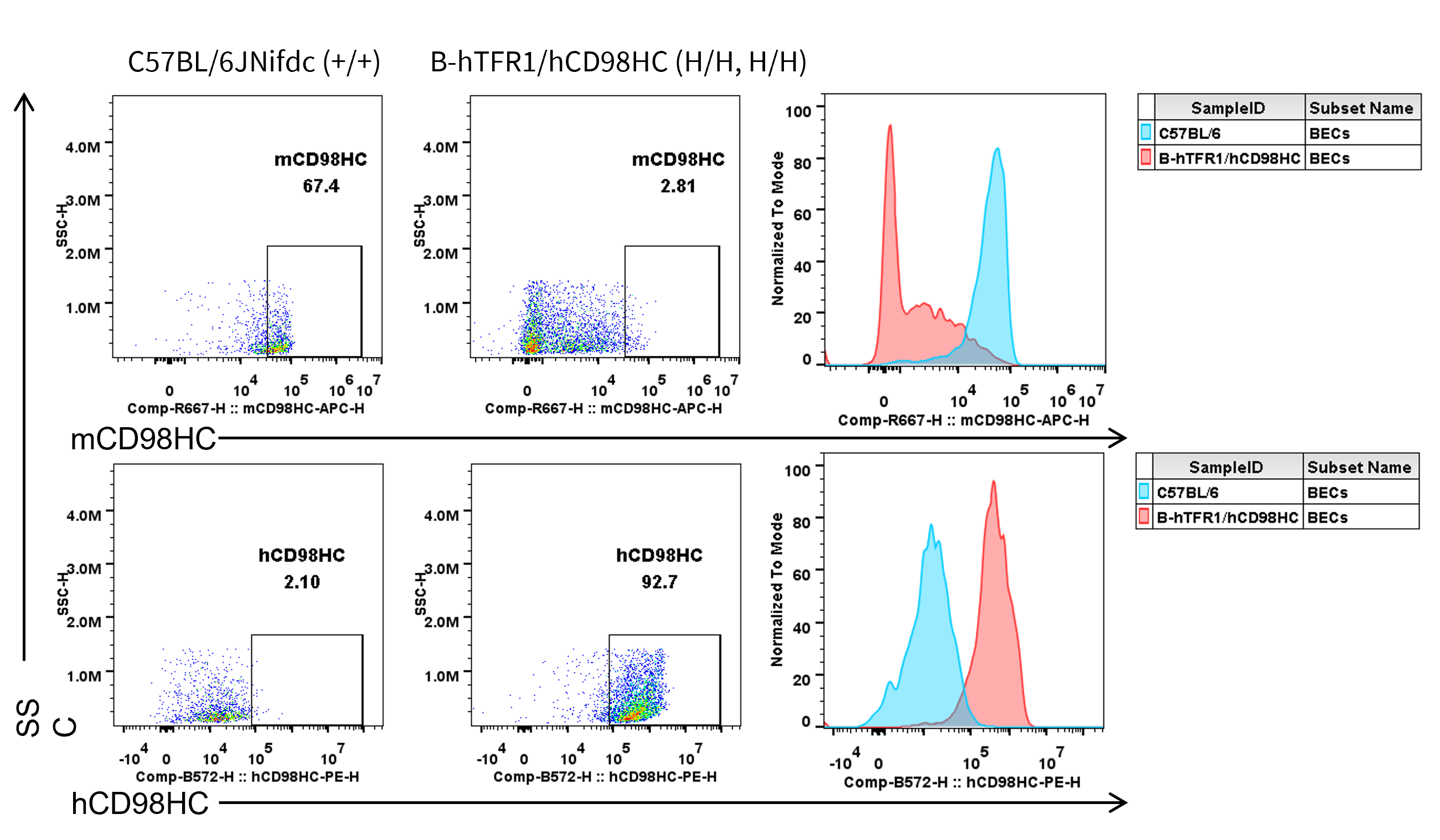
      Human CD98HC Expression in Brain Endothelial Cells
      • Mouse CD98HC was detectable only in brain endothelial cells of wild-type mice
      • Human CD98HC was detectable only in brain endothelial cells of homozygous B-hTFR1/hCD98HC mice

      Strain specific CD98HC expression in wild-type C57BL/6JNifdc and homozygous B-hTFR1/hCD98HC mice by flow cytometry. Brain cells were collected from wild-type C57BL/6JNifdc (+/+) and homozygous B-hTFR1/hCD98HC mice (H/H, H/H) and analyzed by flow cytometry with anti-mouse CD98HC antibody (Biolegend, 128211) and anti-human CD98HC antibody (231161-CD98BBBB-h1.L produced in-house).
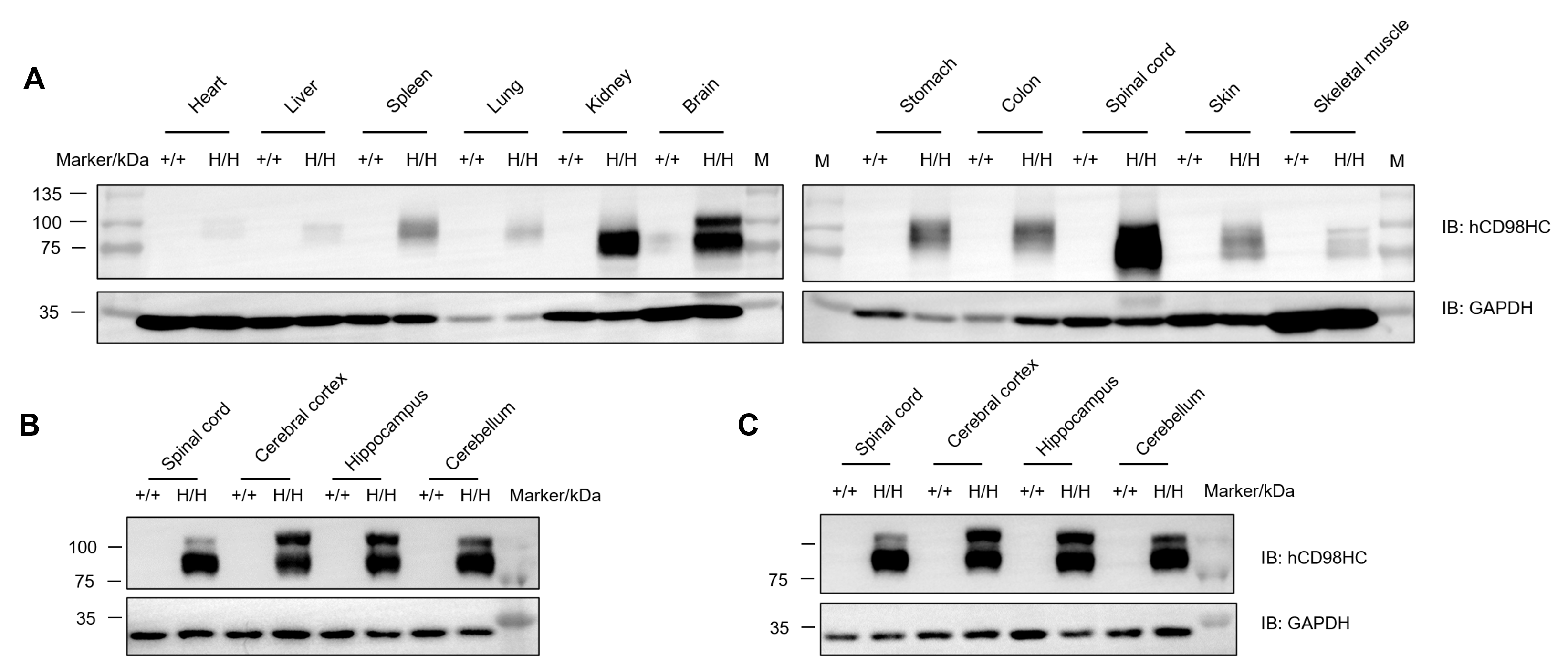
      Human CD98HC Protein Expression Across Tissues
      • Human CD98 is detected in the spleen, lung, kidney, stomach, colon, spinal cord, skin and brain of homozygous B-hCD98HC mice
      • Human CD98HC was exclusively detected in spinal cord, cerebral cortex, hippocampus and cerebellum from B-hTFR1/hCD98HC mice

      Western blot analysis of hCD98HC protein expression in homozygous B-hCD98HC mice.

      Various tissue lysates were collected from wild-type C57BL/6 and homozygous B-hCD98HC mice (H/H), and then analyzed by western blot with species-specific anti-human CD98 antibody (Abcam, ab307587). (A) Male. (B) Male. (C) Female.
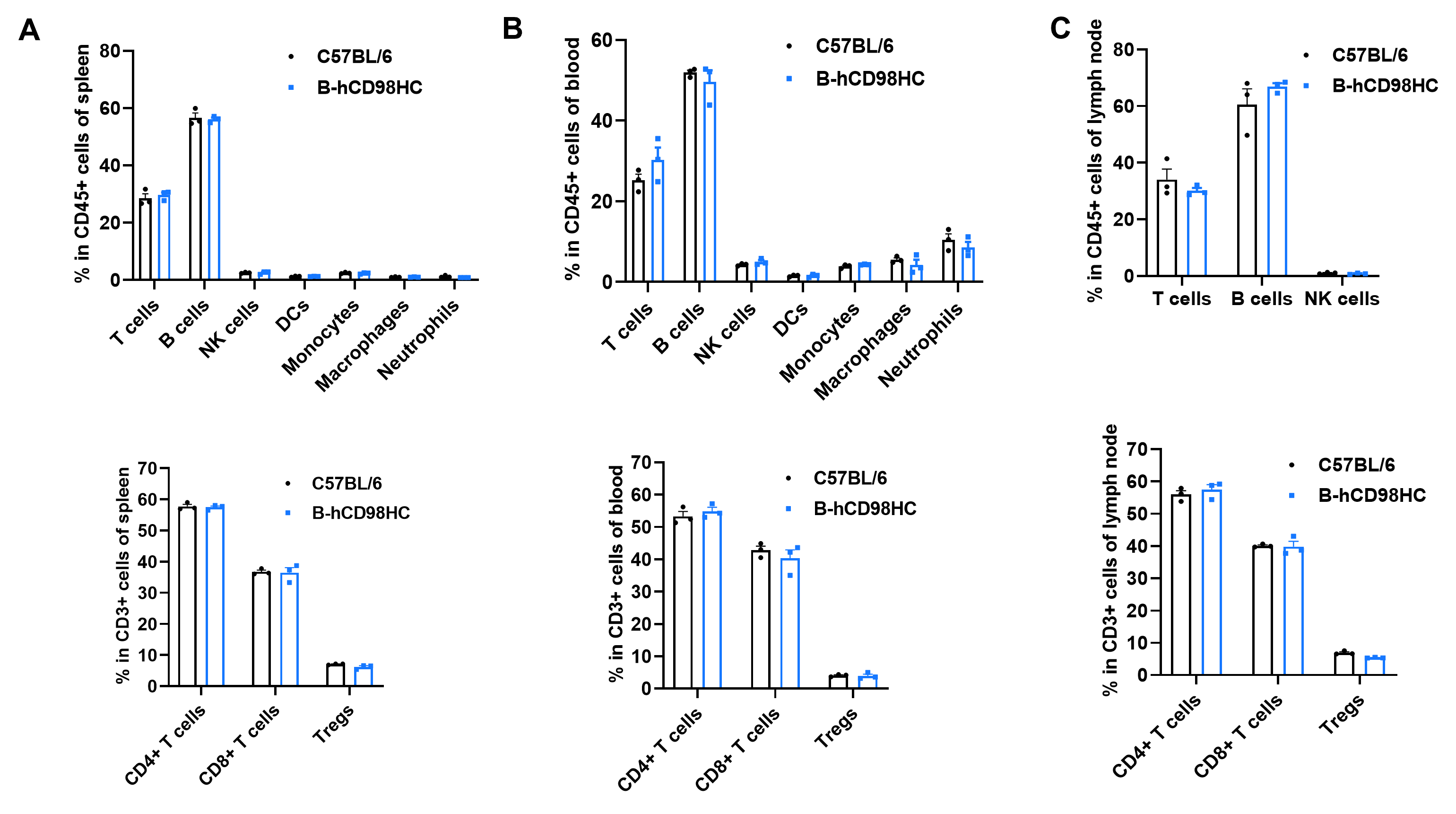
      Animal State Evaluation-Leukocyte Profiling
      • Humanization of CD98HC does not alter the frequency or distribution of immune cell types in spleen (A), blood (B) and lymph nodes (C).
      Normal Hematological Profiles
      • CD98HC humanization does not disrupt hematopoiesis or immune cell composition.

      Complete blood count (CBC) of B-hCD98HC mice. Values are expressed as mean ± SD.
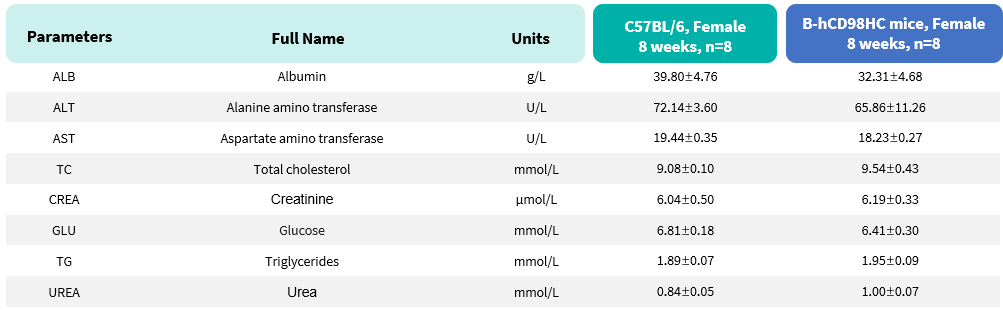
      Normal Liver and Kidney Function Profiles
      • CD98HC humanization does not adversely affect metabolic health or organ function.

      Biochemical test of B-hCD98HC mice. Values are expressed as mean ± SD.

      Active Uptake of Anti-Human CD98HC Antibody into the Brain
      • Anti-human CD98HC antibody show faster serum clearance and enhanced brain exposure than control IgG
      • B-hCD98HC mice enable active uptake of intravenously administered anti-human CD98HC antibody into the brain.
      • B-hCD98HC mice provide a powerful preclinical platform for evaluating the in vivo drug delivery to the central nervous system.

      In vivo pharmacokinetic (PK) evaluation of anti-human CD98HC antibody. B-hCD98HC mice (n=2, female, 8-week-old) were injected with control IgG (10 mpk) and anti-human CD98HC antibody (CD98BBBB-h1.L analog, monovalent, produced in house, 13.3 mpk) via tail vein. Brain and serum were taken for in vivo PK evaluation. Brain concentrations, serum concentrations, and brain-to-serum ratio of anti-human CD98HC antibody were quantified. Graphs represent mean ± SEM.
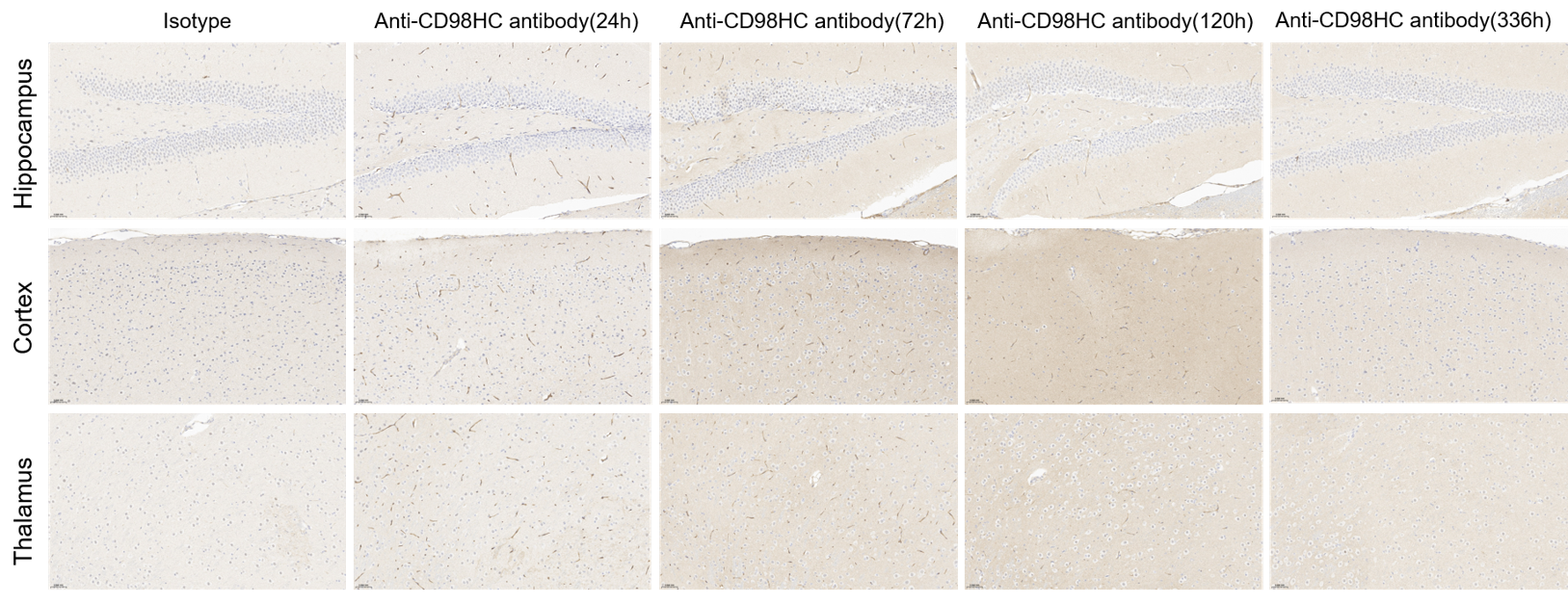
      Anti-Human CH98HC Antibody Can Penetrate the Brain Parenchyma
      • Anti-human CD98HC antibody penetrates the brain parenchyma following intravenous administration.
      • B-hCD98HC mice enable uptake of anti-human CD98HC antibody into the brain.
      • B-hCD98HC mice provide a powerful preclinical platform for evaluating the in vivo drug delivery to the central nervous system.

      IHC staining of anti-CD98HC Abs penetrate brain parenchyma. B-hCD98HC mice were injected with control IgG (10 mpk) and anti-human CD98HC antibody (CD98BBBB-h1.L analog, monovalent, produced in house, 13.3 mpk) via tail vein. Brain comparts were taken for IHC staining after 120 h. Blue: nucleus; dark brown: antibodies.
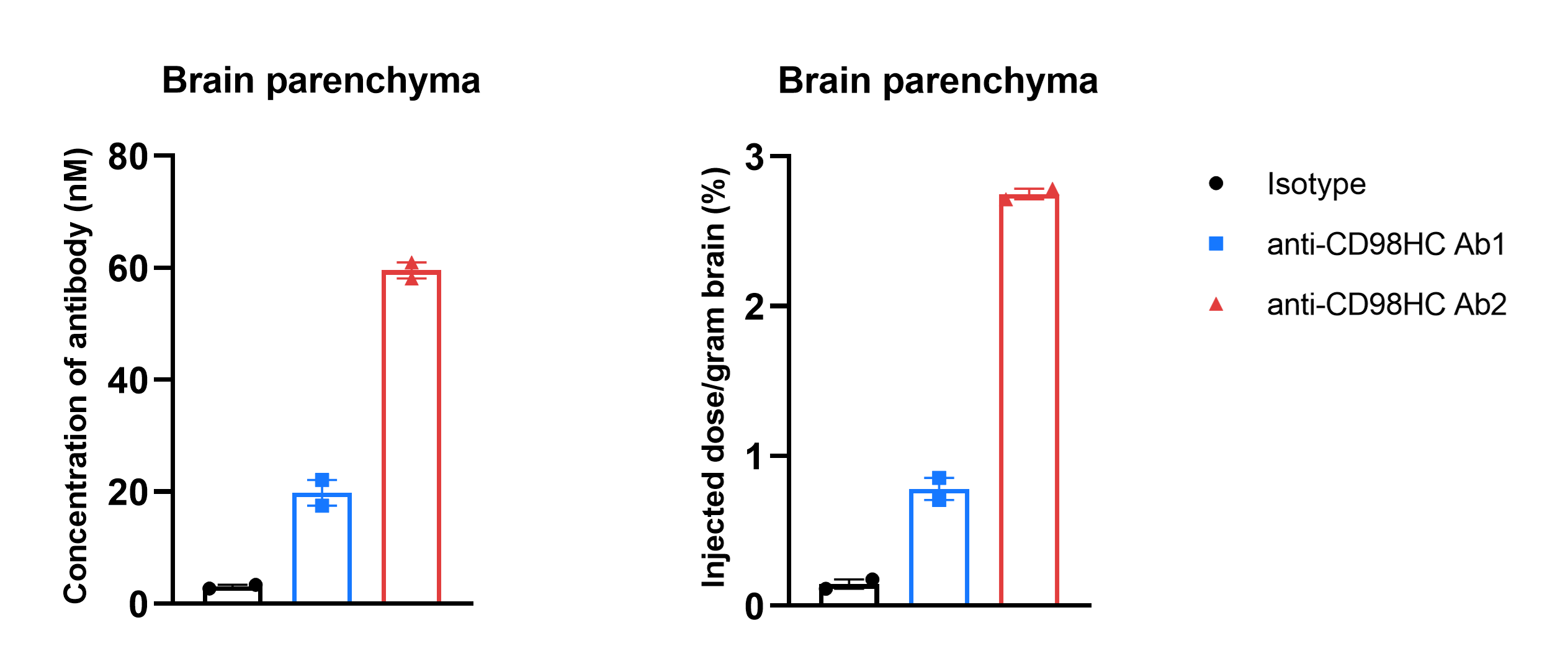
      Comparative Brain Penetration Kinetics of different CD98HC antibodies

      In vivo PK evaluation and comparison of different anti-CD98HC antibodies. B-hCD98HC mice (n=2, 8-week-old) were injected with Isotype IgG (20 mpk) and anti-human CD98HC antibodies (Ab1 and Ab2, produced in house according to patent) via tail vein. Brain were taken for in vivo PK evaluation after dosing 5 days. Brain concentrations (A) and % of injection/gram brain (B) were quantified. As shown in panel, anti-CD98HC Ab2 exhibited higher brain exposure. Graphs represent mean ± SEM.
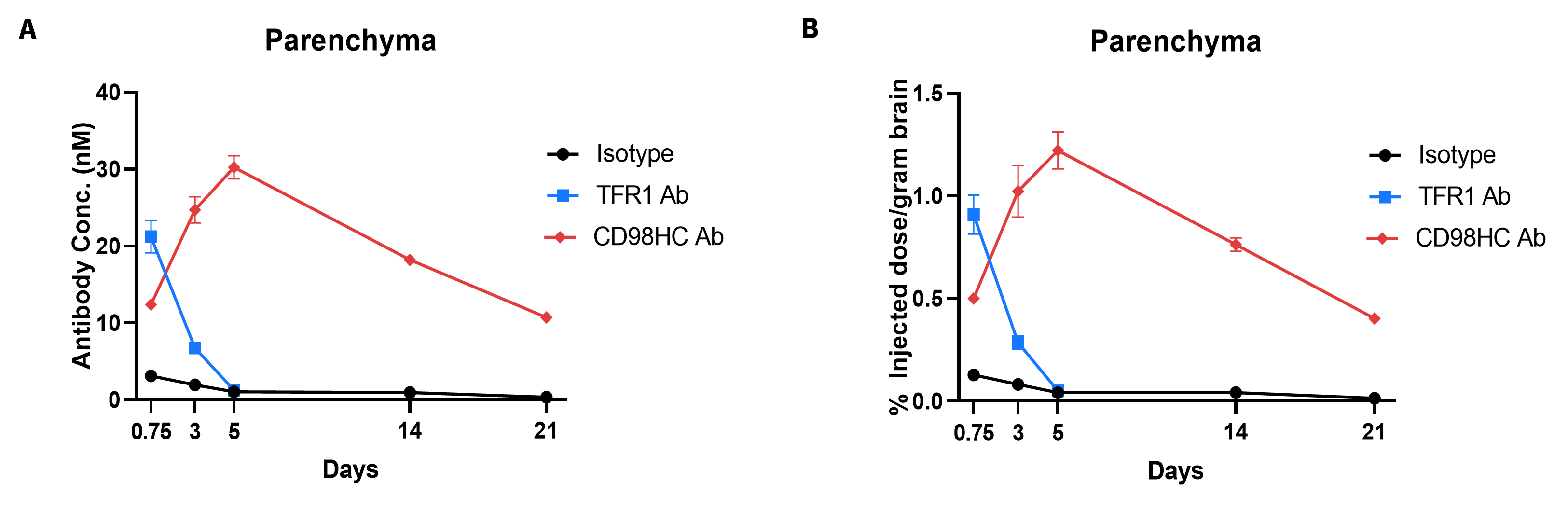
      Comparative Brain Penetration Kinetics of TFR1 and CD98HC
      • B-hTFR1/hCD98HC mice enable uptake of intravenously administered anti-human TFR1 or anti-human CD98HC antibodies
      • B-hTFR1/hCD98HC mice can be used to compare penetration efficacy of shuttle molecules targeting TFR1 vs. CD98HC

      In vivo PK evaluation and comparison of anti-human TFR1 and anti-CD98HC antibody.

      B-hTFR1/hCD98HC mice (n=2, female, 8-week-old) were injected with control IgG (10 mpk) anti-human TFR1 antibody (TFR1 Ab, JR-141 analog, monovalent, produced in house, 12.56 mpk) and anti-human CD98HC antibody (CD98HC Ab, CD98BBBB-h1.L analog, monovalent, produced in house, 13.3 mpk) via tail vein. Brain were taken for in vivo PK evaluation after dosing 18 h and  3, 5, 14, 21 days. Brain concentrations (A) and % of injection/gram brain (B) were quantified. As shown in panel, anti-human TFR1 antibody exhibited higher brain exposure in 24 h after dose, while anti-CD98HC antibody exhibited higher brain exposure in 72 h after dose. The results confirmed that B-hTFR1/hCD98HC mice enables uptake of an intravenously administered anti-human TFR1 antibody or anti-human CD98HC antibody, and this mice can be used for the comparison of penetration efficacy of shuttle molecules targeting TFR1 or CD98HC. Graphs represent mean ± SEM.

      * When publishing results obtained using this animal model, please acknowledge the source as follows: The animal model [B-hCD98HC mice] (Cat# 110983) was purchased from Biocytogen.