代謝系疾患

MASH/NASH マウスモデル

バイオサイトジェン(Biocytogen)は、前臨床段階の代謝異常関連脂肪性肝炎(MASH)研究と肝疾患治療薬評価を支援するため、複数の MASH マウスモデル(旧称:非アルコール性脂肪性肝炎、NASH マウスモデル)を開発しています。提供されているモデルには、Gubra-Amylin(GAN)食誘発型 MASH/NASH マウスモデル、GAN+CCL4 誘発型モデル、高脂肪メチオニンコリン欠乏(HFMCD)食誘発型モデル、STAM モデルが含まれます。これらの MASH/NASH モデルは、肝脂肪症、炎症、線維化といったヒト代謝性肝疾患の主要な病態特徴を再現し、疾患メカニズム研究や、抗脂肪症薬、抗炎症薬、抗線維化薬の効果評価のために、信頼性の高い in vivo プラットフォームを提供しています。
Nonalcoholic Steatohepatitis (NASH) Models

このページで

  • MASH/NASH マウスモデル紹介
  • 結果
  • 関連商品
  • FAQs

出版物

    MASH/NASH マウスモデル紹介

    代謝異常関連脂肪性肝炎(MASH)は、旧称を非アルコール性脂肪性肝炎(NASH)とし、非アルコール性脂肪性肝疾患(NAFLD)の範囲内に含まれる進行性の代謝性肝疾患です。この疾患は肝脂肪症、炎症、肝細胞障害、線維化を特徴とし、肝硬変や肝細胞がんへ進行する可能性があります。肥満症、インスリン抵抗性、2 型糖尿病が併存する場合、疾患の発症リスクと進行リスクが大幅に高まります。

    臨床的には、MASH は脂肪性肝炎、肝細胞の气球様変性、肝線維化、代謝機能異常を伴います。疾患メカニズムをより深く理解し、新規治療法を評価するため、MASH/NASH マウスモデルは前臨床肝疾患研究で広く使用されています。これらのモデルには、遺伝子改変型、食餌誘発型、またはこれら 2 種類を組み合わせたタイプが含まれます。

    バイオサイトジェン(Biocytogen)は、MASH(代謝異常関連脂肪性肝炎)の発症メカニズムにおける異なる病期を再現した、複数の検証済みモデルを確立しています。それには以下の種類が含まれます:

    • CCl₄(四塩化炭素)誘発型 MASH モデル:肝臓の炎症と線維化を特徴とします。
    • Gubra-Amylin(GAN)食誘発型 MASH マウスモデル:肥満、耐糖能異常、肝脂肪症を示します。
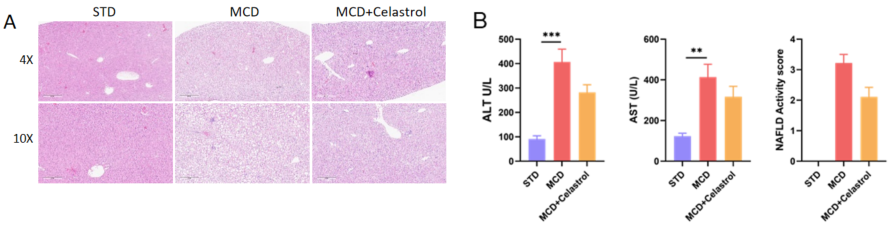
    • 高脂肪メチオニン・コリン欠乏(HFMCD)食誘発型 MASH モデル:重度の肝障害と線維化を引き起こします。
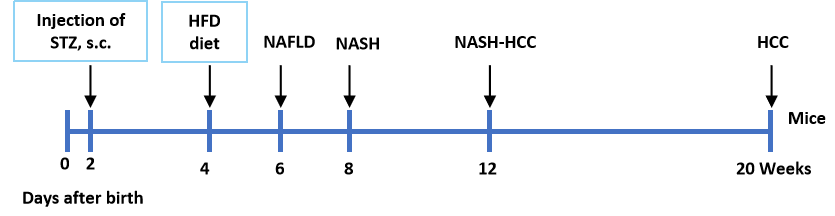
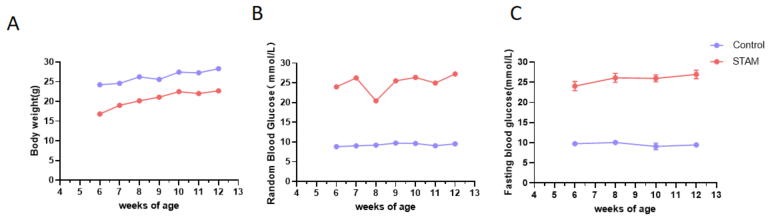
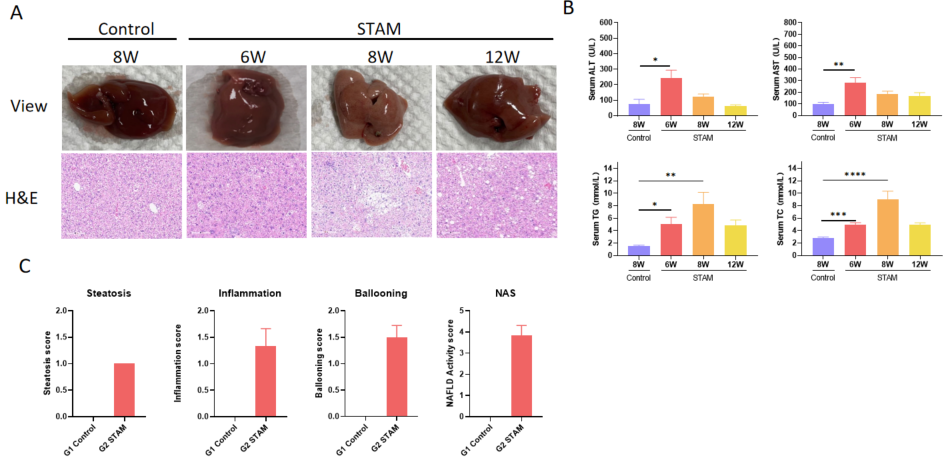
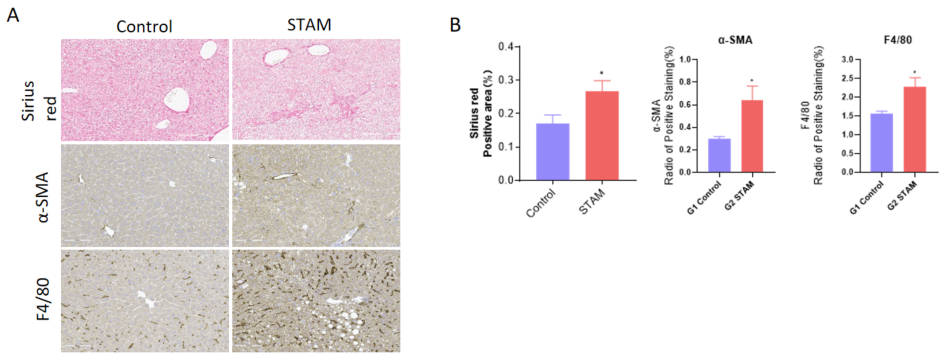
    • STAM モデル:新生仔マウスにストレプトゾトシン(STZ)を投与し、高脂肪食で飼育することで、脂肪性肝炎、高血糖、代謝機能異常を発症させるモデルです。

    これらの MASH/NASH モデルは、メカニズム研究、薬物効果試験、前臨床研究のための信頼性の高い in vivo プラットフォームを提供し、抗脂肪症薬、抗炎症薬、抗線維化薬の治療法開発を推進します。
    結果

    GAN食事+CCL4誘発性NASHマウスモデル
    GAN diet+CCL4 Induced NASH Mouse Model

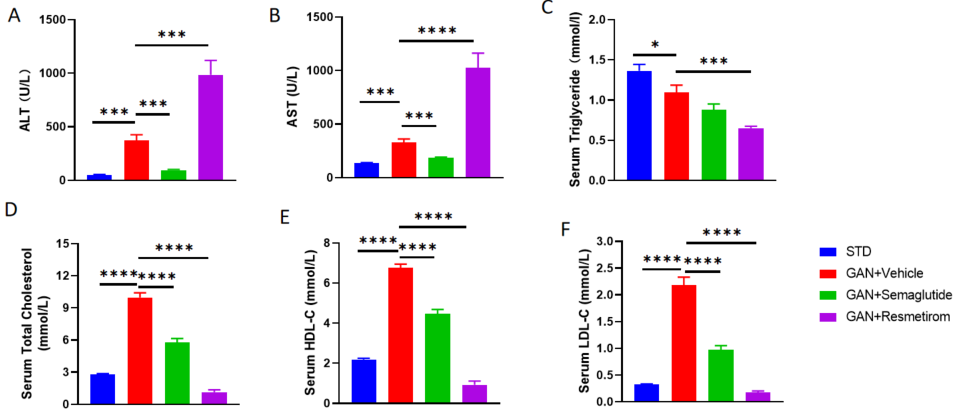
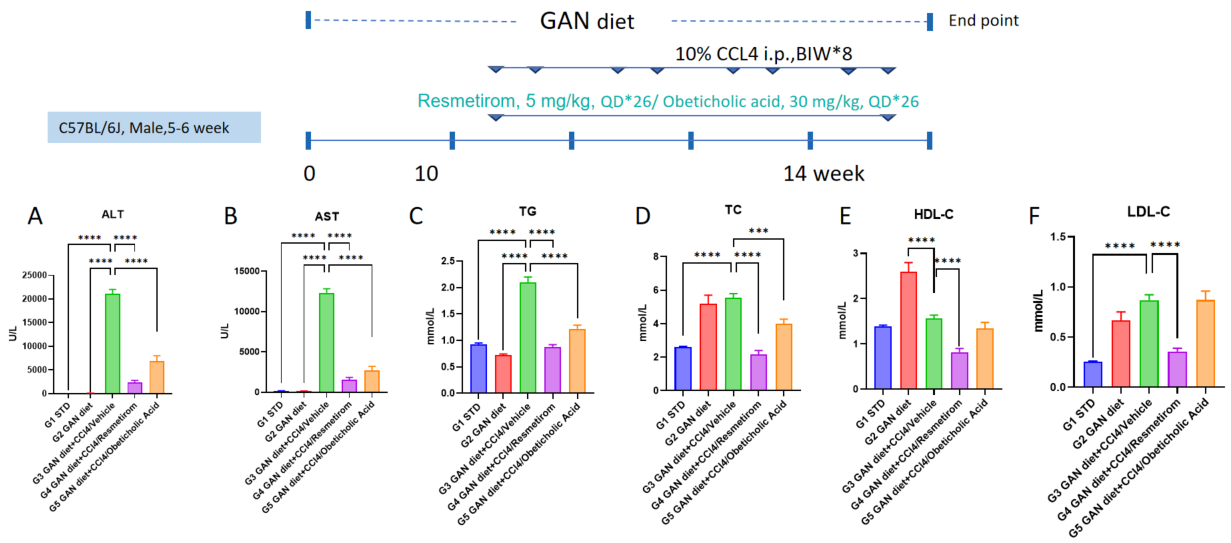
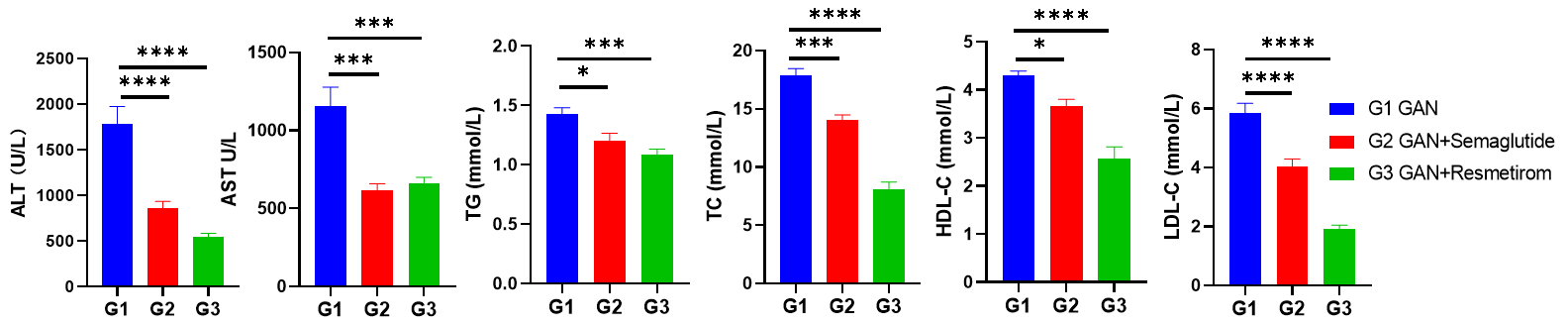
    GAN 食餌+CCL4 で誘発された NASH マウスモデルにおけるMGL3196 と OCAの有効性 A-B、モデル化および治療群の ALT と AST のレベル。C-F、モデル化および治療群の TG、TC、HDL-C、LDL-C のレベル。データは平均 ± SEM として表示されています。各群 N = 9 匹のマウス。*p<0.05、**p<0.01、***p<0.001。
     NASH に対するResmetirom と OCAの有効性
    Resmetirom and OCA treatment alleviates symptoms of NASH

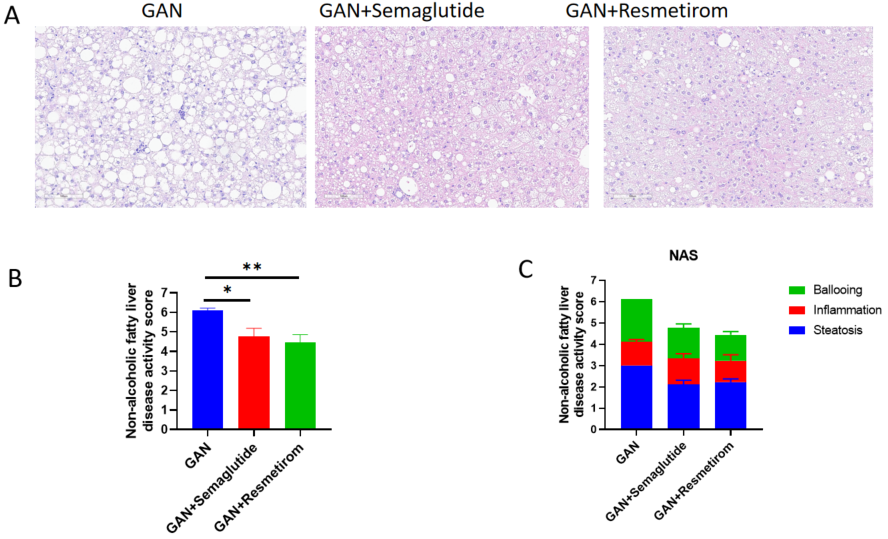
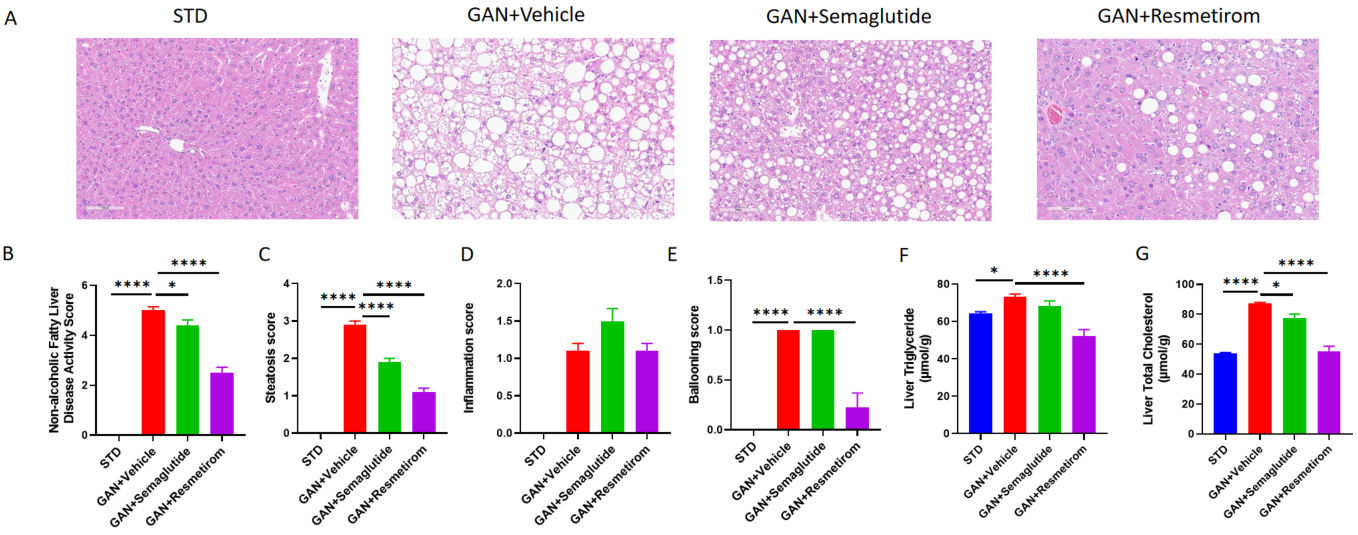
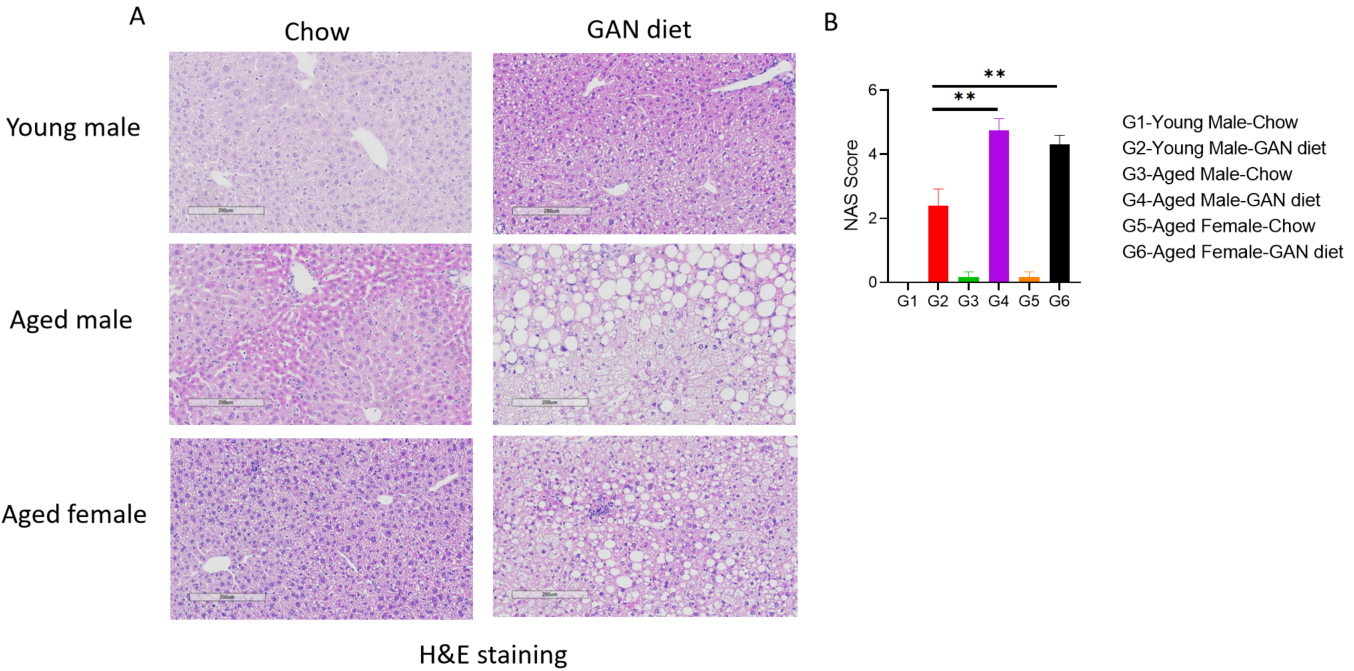
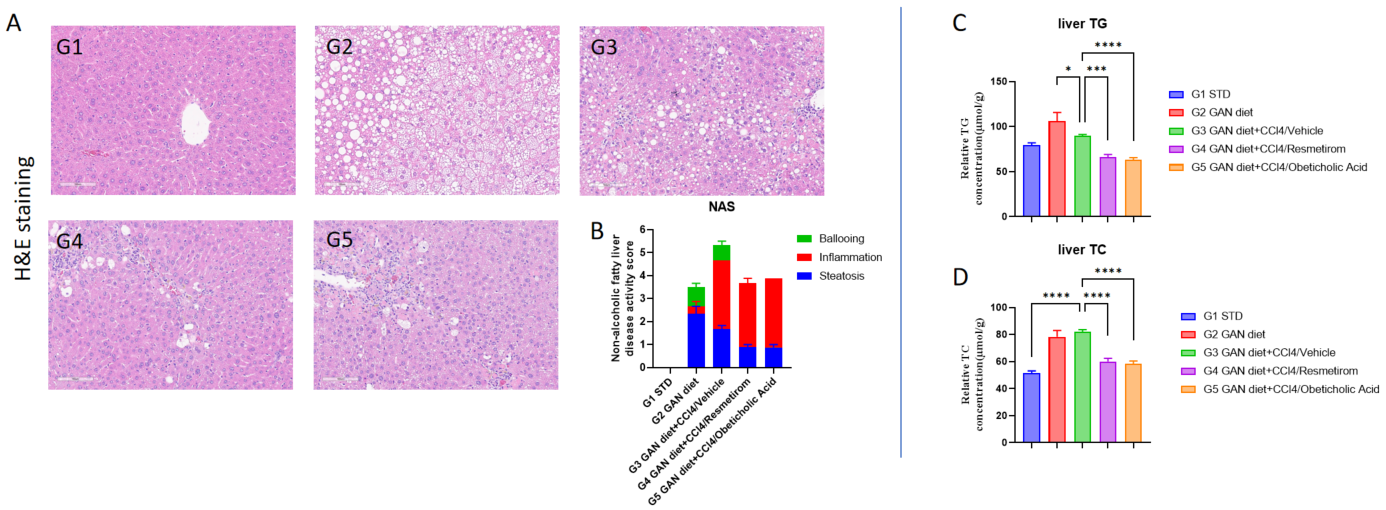
    Resmetirom と OCA は 、NAS スコアを低下させました。A、H&E 染色の代表的な画像で NASH の程度を示します。B、外部の病理専門医によって評価された NAFLD 活動スコア(NAS)。C-D、治療後の肝臓内の TG と TC の含量。データは平均 ± SEM として表示されています。各群 N = 9-10 匹のマウス。*p<0.05、**p<0.01、***p<0.001。
    肝線維症に対するResmetirom と OCAの有効性
    Resmetirom and OCA treatment alleviates liver fibrosis

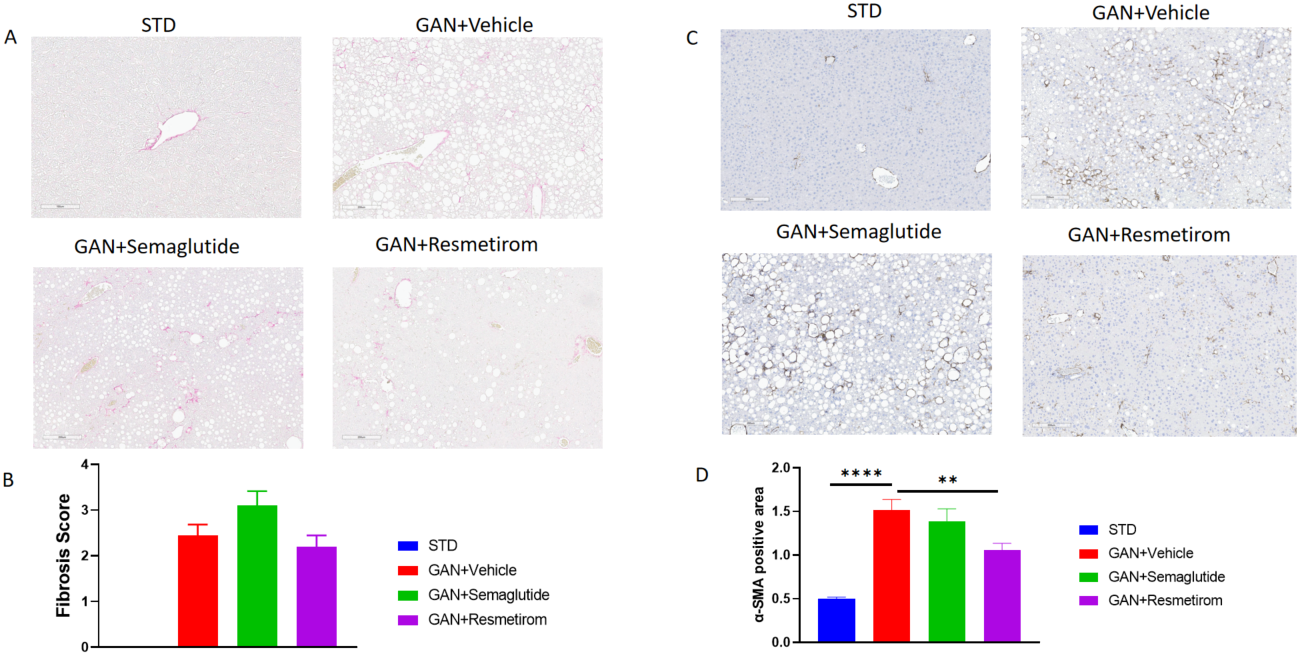
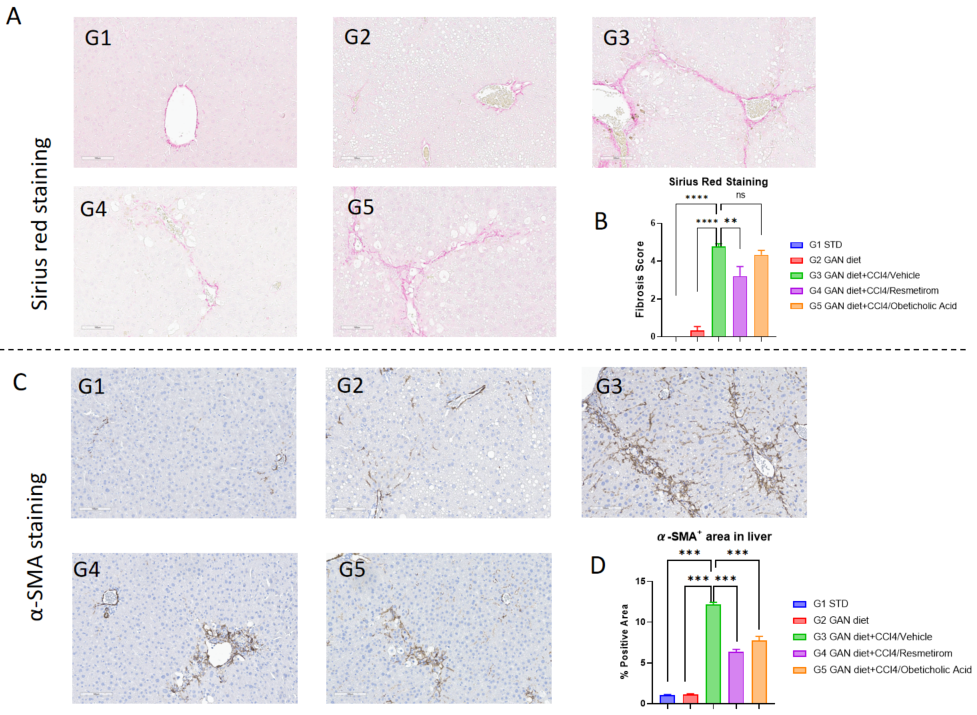
    肝線維症に対するResmetirom と OCAを緩和の有効性 A、Sirius Red 染色の代表的な画像で肝線維症の程度を示します(スケールバー:200μm)。B、Sirius Red 染色に基づいて評価された肝線維症スコア。C、IHC 染色の代表的な画像で α-SMA の発現を示します(スケールバー:200μm)。D、α-SMA 発現の定量データ。データは平均 ± SEM として表示されています。各群 N = 9 匹のマウス。*p<0.05、**p<0.01、***p<0.001、****p<0.0001。

    Frequently Asked Questions (FAQs) About Nonalcoholic Steatohepatitis (NASH) Models

    1. What is MASH, and how is it related to NASH?

    Metabolic dysfunction-associated steatohepatitis (MASH), previously termed nonalcoholic steatohepatitis (NASH), is a progressive liver disease characterized by hepatic steatosis, inflammation, hepatocyte ballooning, and fibrosis. It is closely associated with obesity, insulin resistance, and type 2 diabetes. Advanced MASH can progress to cirrhosis or hepatocellular carcinoma (HCC). MASH mouse models provide valuable in vivo platforms for evaluating novel therapeutic candidates in preclinical drug development.

    2. What MASH mouse models does Biocytogen offer for preclinical research?

    Biocytogen provides a range of MASH/NASH mouse models developed using dietary interventions, chemical induction, or a combination of both to address different disease phenotypes and preclinical study objectives.
    Available MASH mouse models include:
    • GAN Diet (Gubra-Amylin NASH diet): Models obesity, dyslipidemia, hepatic steatosis, and MASH-related pathology. Available in wild-type C57BL/6, B-ob/ob, and aged mice.
    • GAN Diet + CCl₄ (Accelerated Fibrosis): Combines dietary and chemical induction to accelerate hepatic fibrosis development.
    • HFMCD (Rapid Fibrosis): Enables rapid evaluation of hepatic inflammation and fibrosis.
    • STAM (MASH-to-HCC Progression): Supports studies of liver disease progression toward hepatocellular carcinoma (HCC).

    3. How does the GAN diet-induced MASH model differ across mouse strains?

    GAN diet-induced MASH models exhibit distinct disease phenotypes and induction timelines depending on the mouse strain.
    • Wild-Type (WT) C57BL/6 Mice: Develop obesity, dyslipidemia, steatosis, inflammation, and hepatocyte ballooning. A representative efficacy study involves approximately 16 weeks of GAN diet induction followed by 4 weeks of dosing. More pronounced fibrosis generally requires 30 weeks or longer. Alternatively, combining the GAN diet with CCl₄ can accelerate fibrogenesis, shortening the induction period to approximately 14 weeks.
    • B-ob/ob Mice: Pre-existing metabolic abnormalities accelerate MASH development, resulting in pronounced inflammation, hepatocyte ballooning, and detectable fibrosis after approximately 12-16 weeks of GAN diet feeding.
    • Aged C57BL/6 Mice: Exhibit accelerated MASH development, with characteristic hepatic pathological changes typically emerging within 12-20 weeks.
    • Target-Humanized Mice: Biocytogen combines the GAN diet induction protocol with single- and multi-target humanized mice, such as GCGR/GIPR/GLP-1R triple-humanized mice (B-hGCGR/hGIPR/hGLP1R), DGAT2 humanized mice (B-hDGAT2), and CIDEB humanized mice (B-hCIDEB), to support target validation and efficacy evaluation across diverse therapeutic modalities.

    4. What readouts are evaluated in Biocytogen’s MASH mouse studies?

    Biocytogen’s preclinical pharmacology services incorporate histopathological, biochemical, and metabolic assessments to characterize MASH progression and evaluate therapeutic efficacy. Key readouts include:
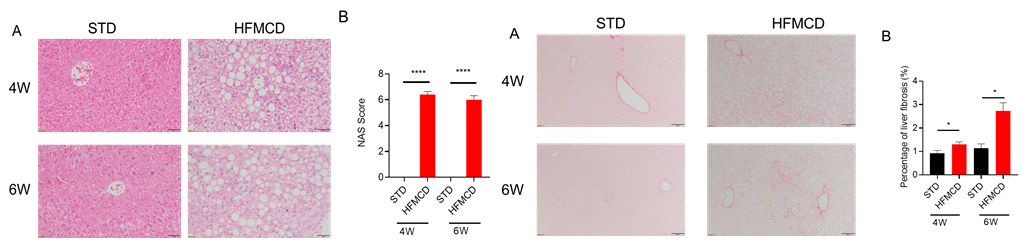
    • Histopathological Assessment: H&E staining to assess hepatic steatosis, lobular inflammation, and hepatocyte ballooning, with disease activity evaluated using the NAFLD Activity Score (NAS).
    • Liver Fibrosis Assessment: Sirius Red staining to evaluate collagen deposition, complemented by immunohistochemistry (IHC) for fibrosis-associated markers such as α-SMA.
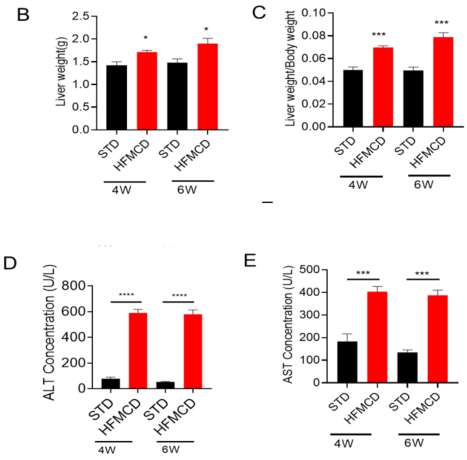
    • Serum Biochemistry: Liver injury markers (ALT and AST) and lipid parameters, including triglycerides (TG), total cholesterol (TC), HDL-C, and LDL-C.
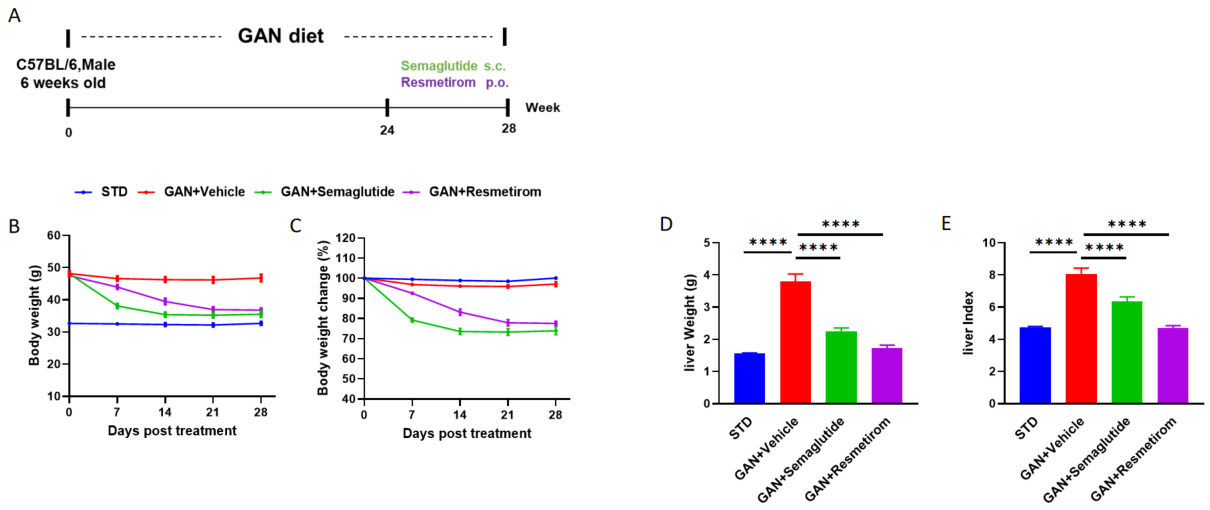
    • Metabolic and Organ Parameters: Body weight, blood glucose, liver weight, liver index, and hepatic lipid content to assess metabolic status and treatment response.
    Additional readouts may be incorporated based on the therapeutic mechanism of action and study requirements.

    5. Why choose the HFMCD diet-induced MASH mouse model for rapid fibrosis studies?

    The high-fat, methionine- and choline-deficient (HFMCD) diet impairs very-low-density lipoprotein (VLDL) synthesis and secretion, disrupting hepatic lipid export and promoting lipid accumulation, inflammation, and fibrosis within approximately 4-8 weeks.
    The short induction period makes the HFMCD model particularly suitable for preclinical efficacy studies of anti-inflammatory and anti-fibrotic therapies. However, the model typically lacks the obesity-associated metabolic phenotype seen in human MASH, and circulating triglyceride and cholesterol levels may be reduced.

    6. What are the key characteristics of the STAM mouse model of MASH?

    The STAM mouse model combines neonatal streptozotocin (STZ) treatment with subsequent high-fat diet (HFD) feeding to induce hyperglycemia and progressive hepatic injury. STZ impairs insulin secretion, contributing to the model’s characteristic metabolic dysfunction.
    Key characteristics include:
    • Rapid Disease Induction: MASH-associated pathological changes can develop within approximately 6-9 weeks.
    • Metabolic Dysfunction: Hyperglycemia and impaired insulin secretion develop without the obesity phenotype typically observed in GAN diet-induced models.
    • Disease Progression: The model supports the investigation of hepatic inflammation, fibrosis, and progression to HCC at later stages.

    7. How can clients access Biocytogen’s MASH mouse models and preclinical services?

    Biocytogen offers two solutions to support MASH drug development:
    • Preclinical Products: Access off-the-shelf single- and multi-target humanized mouse models covering key MASH-related therapeutic targets for in-house studies.
    • Preclinical Services: Collaborate with Biocytogen’s pharmacology team on customized in vivo efficacy studies using established GAN diet-induced, GAN diet + CCl₄, HFMCD, and STAM models.
    These solutions support the preclinical evaluation of diverse therapeutic modalities, including antibodies, small molecules, peptides, and oligonucleotide-based therapeutics, with model selection and induction protocols tailored to the therapeutic target and mechanism of action.
    Contact Biocytogen to discuss humanized mouse model availability, ordering information, study design options, and quotations for your MASH drug development program.