B-hCD8 mice

C57BL/6-Cd8atm1(CD8A)BcgenCd8btm1(CD8B)Bcgen/Bcgen • 112811

B-hCD8 mice

Product nameB-hCD8 mice
Catalog number112811
Strain nameC57BL/6-Cd8atm1(CD8A)BcgenCd8btm1(CD8B)Bcgen/Bcgen
Strain backgroundC57BL/6
NCBI gene ID925 (Human)
AliasesCD8; p32; Leu2; IMD116; CD8alpha

このページで

  • Description
  • Targeting strategy
  • Phenotypic analysis
  • Efficacy
  • Physiological data
  • FAQ section

ポスター

すべて表示

    出版物

      Description
      • The CD8 antigen is a cell-surface glycoprotein expressed on most cytotoxic T lymphocytes and plays a key role in mediating efficient cell–cell interactions within the immune system. CD8 functions as a co-receptor with the T-cell receptor (TCR), recognizing antigens presented by antigen-presenting cells in the context of MHC class I molecules. The molecule forms either an αα homodimer or an αβ heterodimer, and both chains exhibit strong homology to immunoglobulin variable light chains.
      • In CD8 humanized mice, exons 1–3 and part of exon 4 of the mouse Cd8a gene were replaced with human CD8A exons 1–3 and part of exon 4 to humanize the extracellular domain. Similarly, exons 1–3 and part of exon 4 of the mouse Cd8b1 gene were replaced with human CD8B exons 1–3 and part of exon 4. This results in expression of human CD8A and CD8B proteins under endogenous regulatory elements.
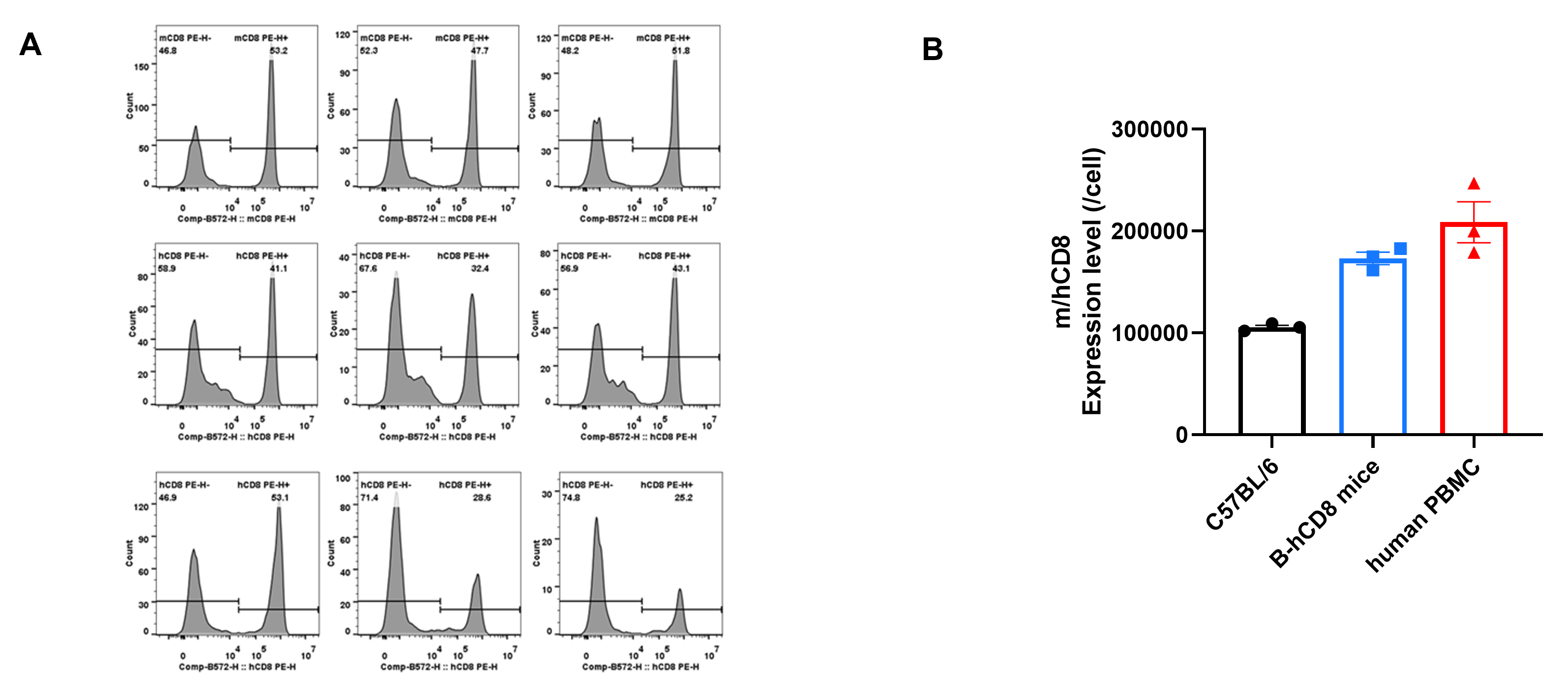
      • Mouse CD8 expression is detected only in wild-type C57BL/6JNifdc mice, whereas human CD8 is robustly expressed in homozygous B-hCD8 mice. CD8 humanized mice also retain normal T-cell immunogenic function, as confirmed in OVA-induced activation studies.

      Key Advantages

      • Dual humanization of CD8A and CD8B: Both chains are humanized at the endogenous loci, producing physiologic human CD8 expression rather than artificial overexpression.
      • Precise lineage-restricted expression: Human CD8 is expressed specifically on T cells and NKT cells in blood, spleen, and lymph nodes.
      • Clear species-specific antibody differentiation: Mouse CD8 is absent in B-hCD8 mice, enabling accurate evaluation of human CD8-specific antibodies.
      • Stable immune-cell homeostasis: Major immune populations show no significant differences from wild-type mice.
      • Preserved T-cell functionality: CD8 humanized mice maintain normal antigen-specific IFN-γ responses in OVA immunization studies.
      • Ideal for immuno-oncology and depletion studies: Suitable for antibody validation, immune profiling, tumor-infiltrating T-cell studies, and mechanism-of-action research.

      Validation

      Human CD8 expression
      • Human CD8A and CD8B are detectable in homozygous CD8 humanized mice.
      • No human CD8 is detected in wild-type mice.
      • Mouse CD8 is absent in B-hCD8 mice.
      Tissue distribution analysis
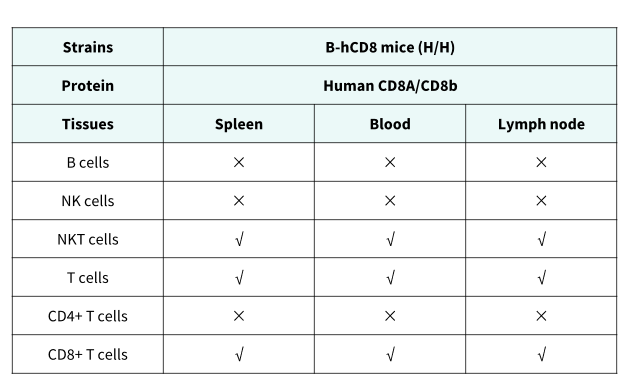
      • Human CD8 expression is confirmed on NKT and T cells across spleen, blood, and lymph nodes.
      • Expression pattern matches expected CD8⁺ T-cell biology.
      Immune-cell composition
      • Frequencies of T cells, B cells, NK cells, DCs, monocytes, macrophages, CD4⁺ T cells, and Tregs are comparable to wild-type controls.
      • CD8 humanization does not distort immune homeostasis.
      Functional immunogenicity
      • OVA + poly(I:C) immunization induces strong IFN-γ responses.
      • CD8 humanized mice respond equivalently to wild-type controls.
      • Confirms intact T-cell activation machinery.

      Application

      In vivo testing of human CD8-targeting therapeutics
      • Human CD8-specific monoclonal antibodies
      • CD8-directed bispecific antibodies
      • Imaging agents targeting human CD8 in tumors and lymphoid tissues
      Immuno-oncology research
      • CD8⁺ T-cell infiltration and cytotoxicity
      • Tumor microenvironment studies
      • CD8⁺ T-cell depletion/repopulation tracking
      • Combination studies with humanized PD-1, PD-L1, TIGIT, or LAG3 models
      Vaccine and antigen-specific immunity
      • T-cell–dependent immunogenicity
      • Adjuvant evaluation
      • CD8 memory formation and recall responses
      Immune-profiling and biomarker development
      • Longitudinal CD8⁺ T-cell monitoring
      • Mechanistic studies of T-cell activation/exhaustion
      • Preclinical biomarker validation for CD8-targeting therapies
      Targeting strategy

      In CD8 humanized mice, exons 1–3 and part of exon 4 of the mouse Cd8a gene—encoding the signal peptide and extracellular domain—are replaced with human sequences. The mouse genomic regions encoding the transmembrane and cytoplasmic domains, along with the promoter, 5'UTR, and 3'UTR, are retained. The chimeric CD8A is expressed under the endogenous mouse Cd8a promoter, while native mouse Cd8a transcription and translation are disrupted.

      Similarly, exons 1–3 and part of exon 4 of the mouse Cd8b1 gene—encoding the signal peptide and extracellular domain—are replaced by their human counterparts. Mouse regions encoding the transmembrane and cytoplasmic domains, as well as the promoter, 5'UTR, and 3'UTR, are preserved. The chimeric CD8B1 is driven by the endogenous mouse Cd8a promoter, and native mouse Cd8b1 gene transcription and translation are disrupted.

      Protein Expression Analysis in the Spleen of CD8 Humanized Mice

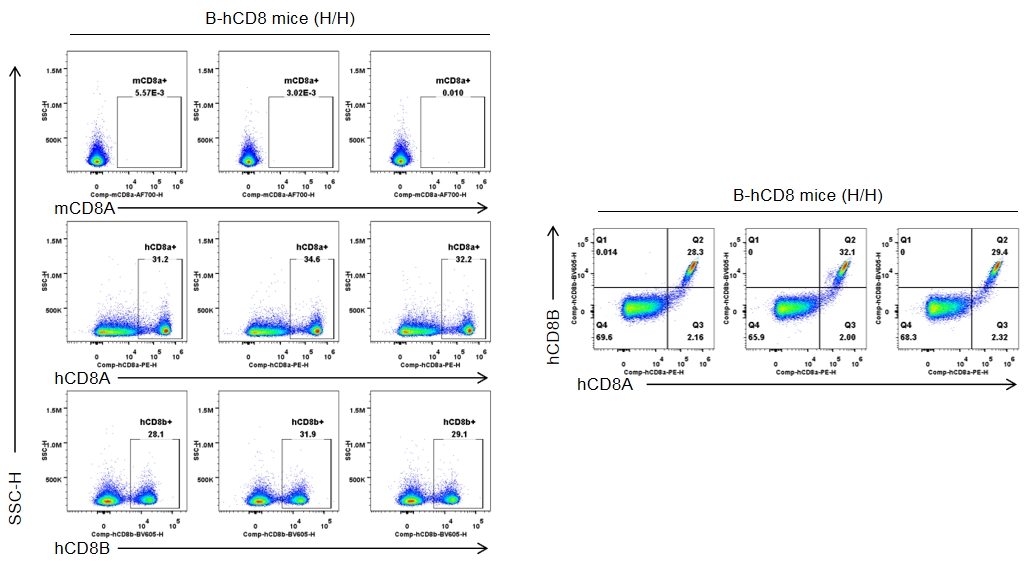
      Strain-specific CD8 expression was analyzed in homozygous CD8 humanized mice by flow cytometry. Splenocytes were collected from wild-type C57BL/6JNifdc mice (+/+) and homozygous CD8 humanized mice (H/H), and analyzed using species-specific anti-CD8 antibodies (anti-human CD8A, Biolegend, 300908; anti-mouse CD8A, Biolegend, 100730; anti-human CD8B, BD, 742392). Mouse CD8A was detectable in wild-type mice.
      Strain-specific CD8 expression was analyzed in homozygous CD8 humanized mice by flow cytometry. Splenocytes were collected from wild-type C57BL/6JNifdc mice (+/+) and homozygous CD8 humanized mice (H/H), and analyzed using species-specific anti-CD8 antibodies (anti-human CD8A, Biolegend, 300908; anti-mouse CD8A, Biolegend, 100730; anti-human CD8B, BD, 742392). Human CD8A and human CD8B were exclusively detectable in homozygous CD8 humanized mice but not in wild-type mice.
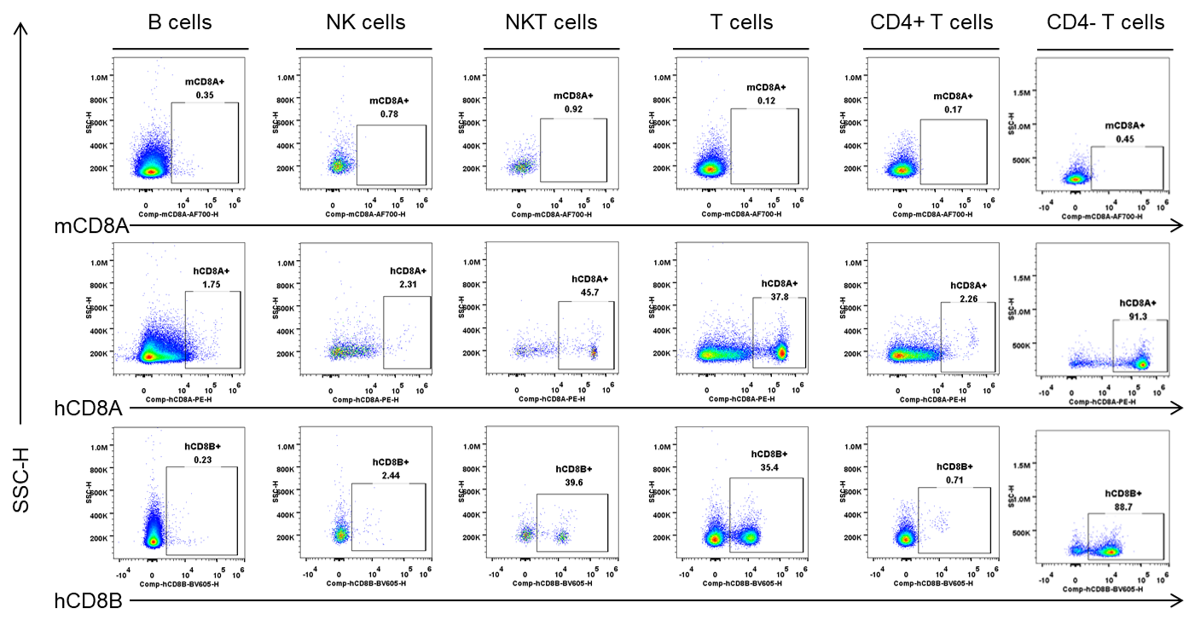
      Protein Expression in Different Immune Cell Populations in the Spleen of C57BL/6JNifdc Mice

      Strain specific CD8 expression analysis in wild-type C57BL/6JNifdc by flow cytometry. Splenocytes were collected from wild-type C57BL/6JNifdc mice (+/+, female, n=3, 9-week-old), and analyzed by flow cytometry with species-specific anti-CD8 antibody (anti-human CD8A, Biolegend, 300908; anti-mouse CD8A, Biolegend, 100730; anti-human CD8B, BD, 742392). Mouse CD8A was detectable in NKT cells and T cells from wild-type mice.
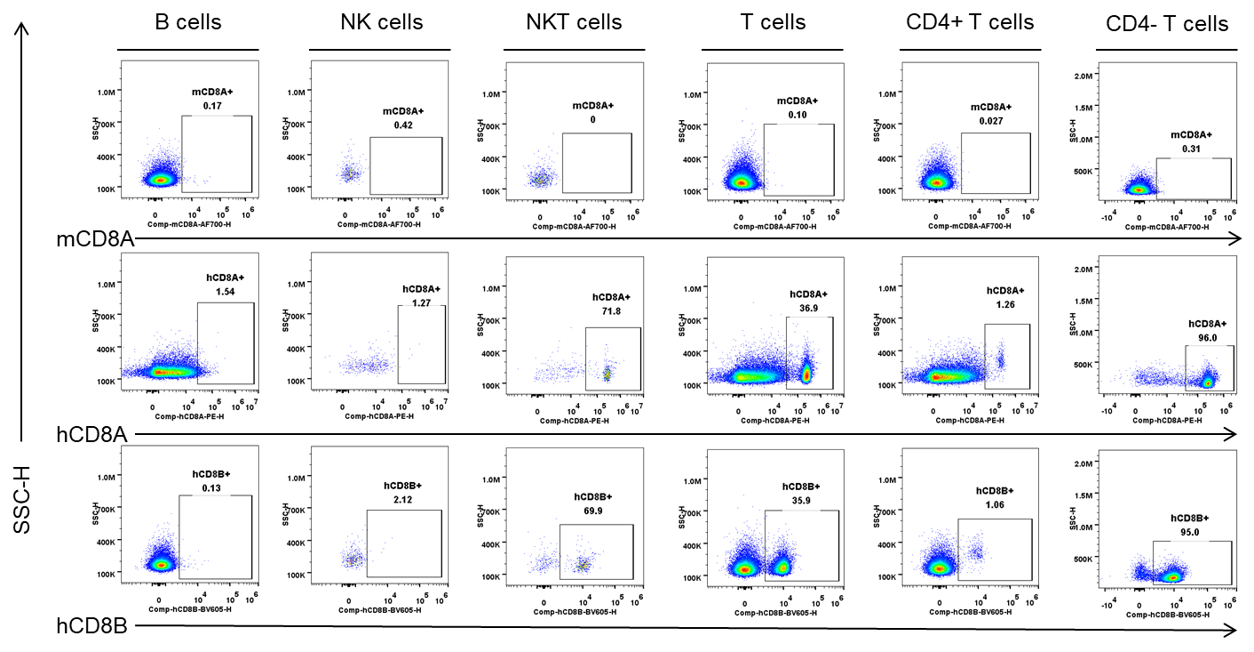
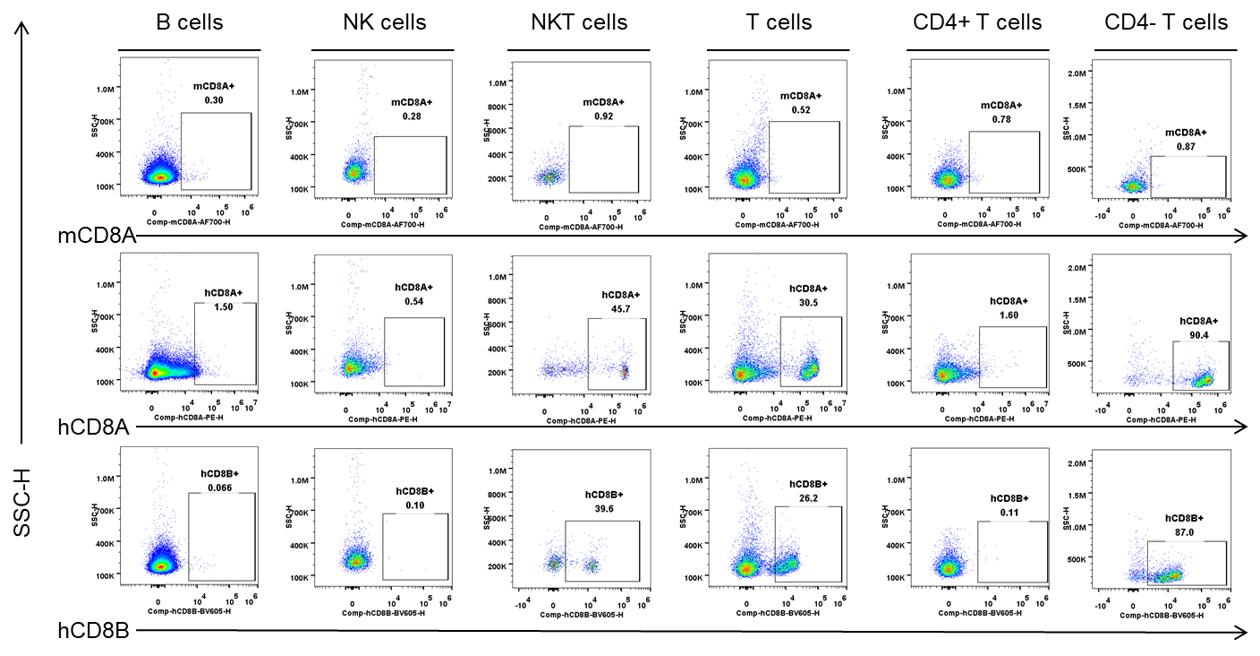
      Protein Expression in Different Immune Cell Populations in the Spleen of CD8 Humanized Mice

      Strain specific CD8 expression analysis in homozygous CD8 humanized mice by flow cytometry. Splenocytes were collected from homozygous CD8 humanized mice (H/H, female, n = 3, 9-week-old), and analyzed by flow cytometry with species-specific anti-CD8 antibodies (anti-human CD8A, Biolegend, 300908; anti-mouse CD8A, Biolegend, 100730; anti-human CD8B, BD, 742392). Human CD8A and CD8B were detectable in NKT cells and T cells from CD8 humanized mice, but not in wild-type mice.
      Protein Expression in Different Immune Cell Populations in the Blood of C57BL/6JNifdc Mice

      Strain specific CD8 expression analysis in wild-type C57BL/6JNifdc by flow cytometry. Blood cells were collected from wild-type C57BL/6JNifdc mice (+/+, female, n=3, 9-week-old), and analyzed by flow cytometry with species-specific anti-CD8 antibody (anti-human CD8A, Biolegend, 300908; anti-mouse CD8A, Biolegend, 100730; anti-human CD8B, BD, 742392). Mouse CD8A was detectable in NKT cells and T cells from wild-type mice.

      Protein Expression in Different Immune Cell Populations in the Blood of CD8 Humanized Mice

      Strain specific CD8 expression analysis in homozygous CD8 humanized mice by flow cytometry. Blood cells were collected from homozygous CD8 humanized mice (H/H, female, n = 3, 9-week-old), and analyzed by flow cytometry using species-specific anti-CD8 antibodies (anti-human CD8A, Biolegend, 300908; anti-mouse CD8A, Biolegend, 100730; anti-human CD8B, BD, 742392). Human CD8A and CD8B were detectable in NKT cells and T cells from CD8 humanized mice, but not in wild-type mice.

      Protein Expression in Different Immune Cell Populations in the Lymph Nodes of C57BL/6JNifdc Mice

      Strain specific CD8 expression analysis in wild-type C57BL/6JNifdc by flow cytometry. The lymph nodes were collected from wild-type C57BL/6JNifdc mice (+/+, female, n=3, 9-week-old), and analyzed by flow cytometry with species-specific anti-CD8 antibody (anti-human CD8A, Biolegend, 300908; anti-mouse CD8A, Biolegend, 100730; anti-human CD8B, BD, 742392). Mouse CD8A was detectable in NKT cells and T cells from wild-type mice.

      Protein Expression in Different Immune Cell Populations in the Lymph Nodes of CD8 Humanized Mice

      Strain specific CD8 expression analysis in homozygous CD8 humanized mice by flow cytometry. The lymph nodes were collected from homozygous CD8 humanized mice (H/H, female, n = 3, 9-week-old) and analyzed using species-specific anti-CD8 antibodies (anti-human CD8A, Biolegend, 300908; anti-mouse CD8A, Biolegend, 100730; anti-human CD8B, BD, 742392). Human CD8A and CD8B were detectable in NKT cells and T cells from CD8 humanized mice, but not in wild-type mice.

      Frequency of Leukocyte Subpopulations in the Spleen of CD8 Humanized Mice

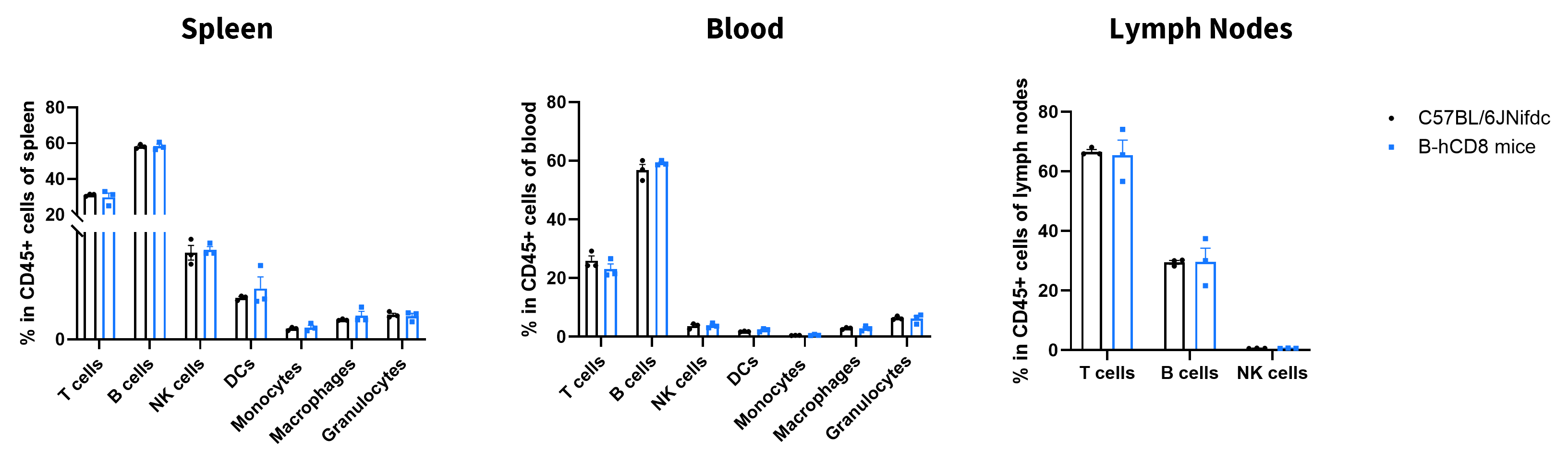
      Leukocyte subpopulation frequencies in the spleen of CD8 humanized mice. Splenocytes were isolated from wild-type C57BL/6JNifdc mice and homozygous CD8 humanized mice (female, 9-week-old, n = 3). (A) Flow cytometry analysis was performed to assess the frequency of leukocyte subpopulations. (B) Frequency of T-cell subpopulations. Frequencies of T cells, B cells, NK cells, dendritic cells (DCs), granulocytes, monocytes, macrophages, CD4⁺ T cells, and Tregs in CD8 humanized mice were similar to those in C57BL/6 mice, demonstrating that humanization of CD8 does not alter the frequency or distribution of these cell types in the spleen. Values are expressed as mean ± SEM. Significance was determined by two-way ANOVA. *P < 0.05, **P < 0.01, ***P < 0.001.

      Frequency of Leukocyte Subpopulations in the Blood of CD8 Humanized Mice

      Leukocyte subpopulation frequencies in the blood of CD8 humanized mice. Blood cells were isolated from wild-type C57BL/6JNifdc mice (female, 9-week-old, n = 3) and homozygous CD8 humanized mice (female, 9-week-old, n = 3). (A) Flow cytometry analysis was performed to assess the frequency of leukocyte subpopulations. (B) Frequency of T-cell subpopulations. Frequencies of T cells, B cells, NK cells, dendritic cells (DCs), granulocytes, monocytes, macrophages, CD4⁺ T cells, and Tregs in CD8 humanized mice were similar to those in C57BL/6JNifdc mice, indicating that CD8 humanization does not change immune-cell distribution in the blood. Values are expressed as mean ± SEM. Significance was determined by two-way ANOVA. *P < 0.05, **P < 0.01, ***P < 0.001.

      Frequency of Leukocyte Subpopulations in the Lymph Node of CD8 Humanized Mice

      Leukocyte subpopulation frequencies in the lymph nodes of CD8 humanized mice. Lymph-node cells were isolated from wild-type C57BL/6JNifdc mice (female, 9-week-old, n = 3) and homozygous CD8 humanized mice (female, 9-week-old, n = 3). (A) Flow cytometry analysis was performed to assess the frequency of leukocyte subpopulations. (B) Frequency of T-cell subpopulations. Frequencies of T cells, B cells, NK cells, CD4⁺ T cells, and Tregs in CD8 humanized mice were similar to those in C57BL/6 mice, demonstrating that CD8 humanization does not alter cell-type frequencies in the lymph nodes. Values are expressed as mean ± SEM. Significance was determined by two-way ANOVA. *P < 0.05, **P < 0.01, ***P < 0.001.

      OVA-Induced Immune Responses in CD8 Humanized Mice

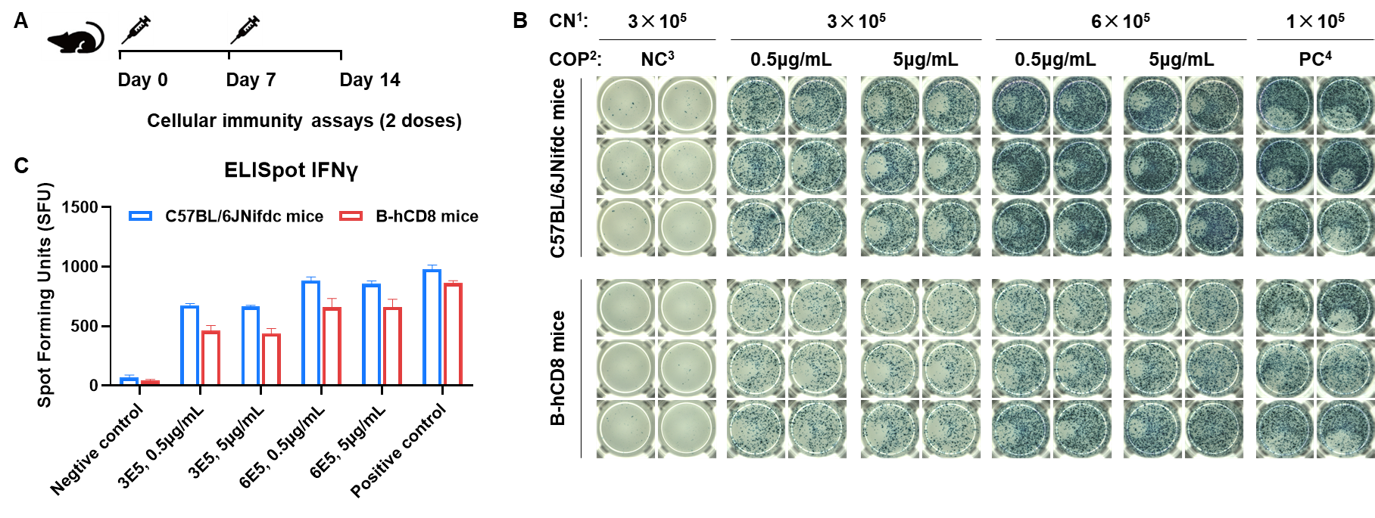
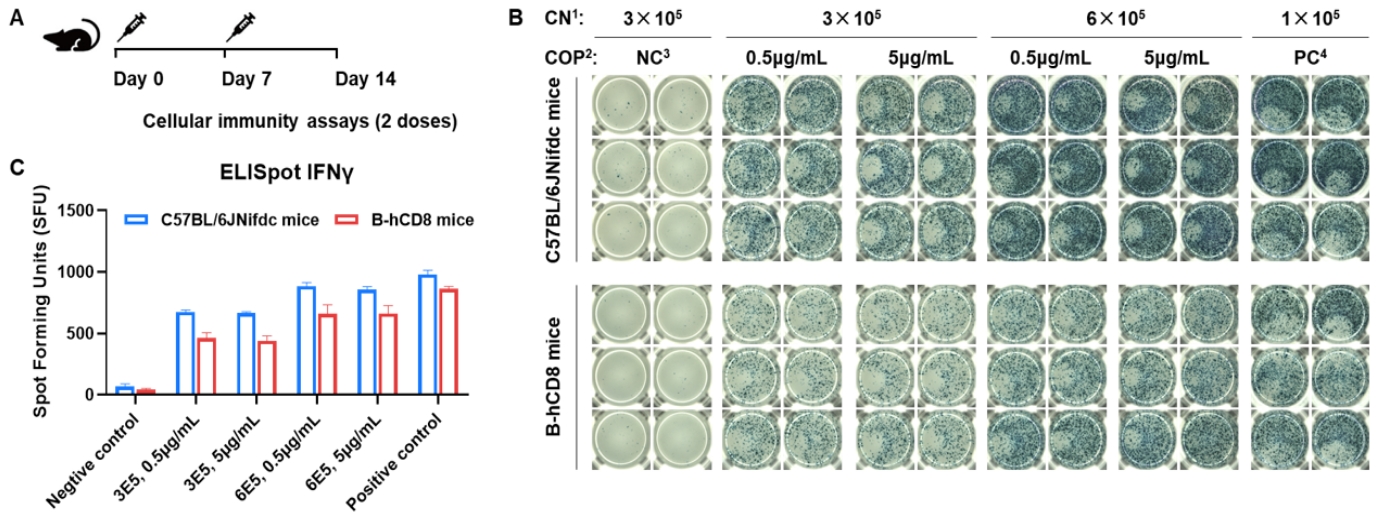
      Detection of OVA-induced immune responses in CD8 humanized mice by IFN-γ ELISpot assay. (A) Scheme of OVA immunization and testing. Female wild-type C57BL/6JNifdc mice and CD8 humanized mice at 9–10 weeks of age were immunized by intraperitoneal injection of 0.5 mg OVA protein (Sigma, A5503-25MG) and 50 μg poly(I:C) (InvivoGen, tlrl-pic). Mice were immunized twice at a 1-week interval. One week after the final immunization, mice were sacrificed. Splenocytes were extracted and stimulated with OVA peptide 257–264, no peptide as a negative control (NC), or Cell Activation Cocktail (without Brefeldin A; Biolegend, 42330) as a positive control, followed by measurement of IFN-γ secretion. No significant difference in body weight was observed among groups (data not shown). (B) Representative results show splenocyte stimulation with negative control, OVA peptide 257–264, or positive control in duplicates. (C) Summary of results. These data indicate that CD8 humanized mice have normal T-cell immunogenic function. 1, CN: Cell number. 2, COP: Concentration of the peptide. 3, NC: Negative control. 4, PC: Positive control.
      Comparison of anti-PD-1 antibody efficacy between C57BL/6JNifdc miceand B-hCD8 mice

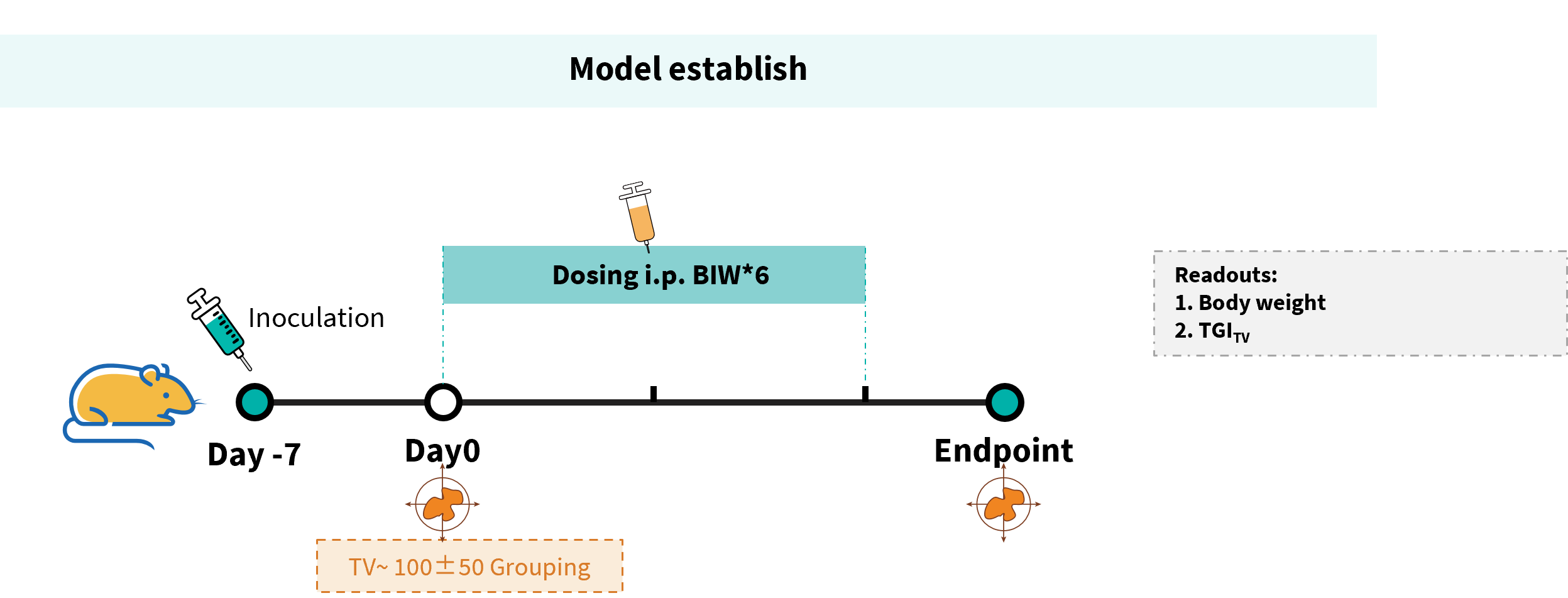
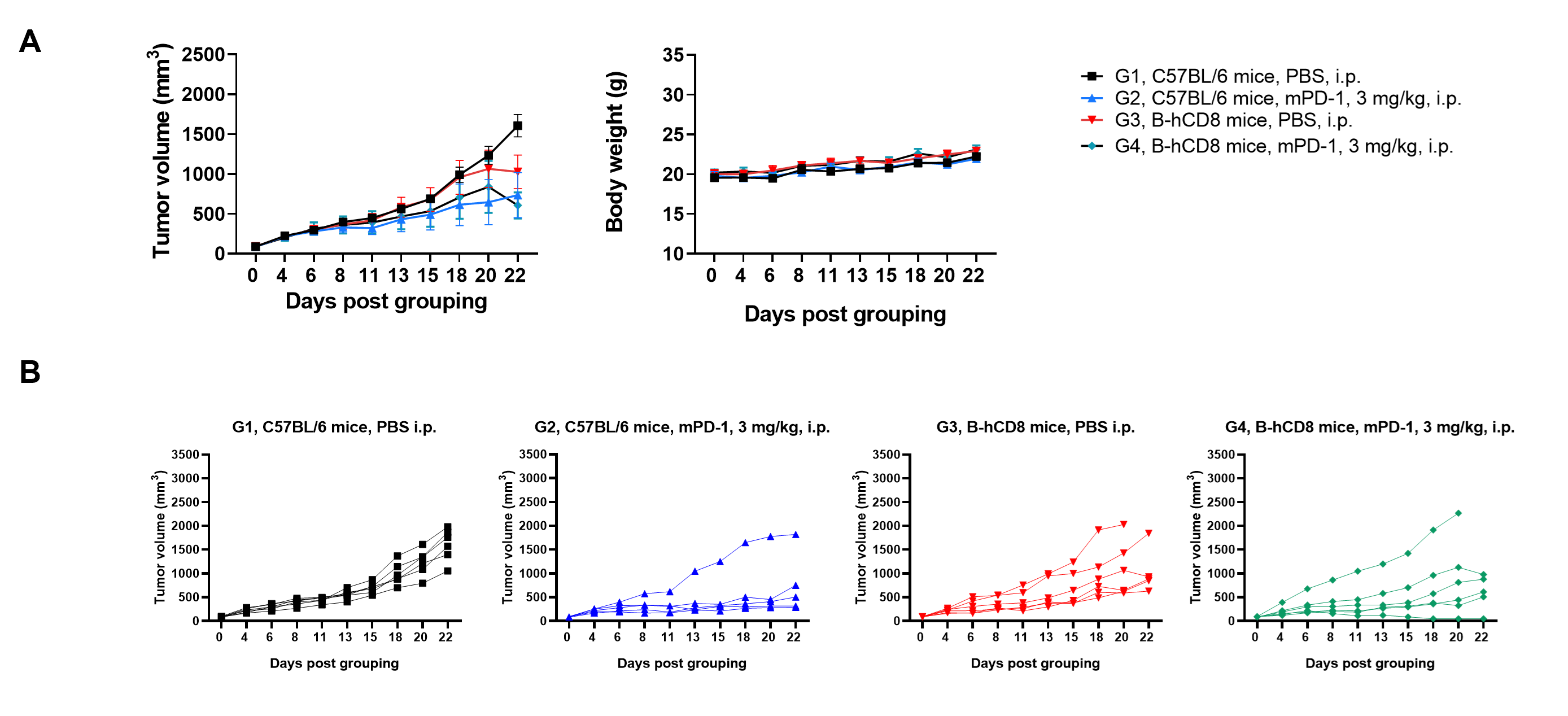
      Comparison of anti-PD-1 antibody efficacy between C57BL/6JNifdc mice and B-hCD8 mice. (A) Effect of anti-mouse PD-1 antibody on MC38 tumor growth in C57BL/6JNifdc mice and B-hCD8 mice. Treatment with PBS or anti-mouse PD-1 antibody when tumor volume reached approximately 100 mm3. As shown in panel A, anti-mPD-1 antibody treatment exhibited stronger inhibitory efficacy in both C57BL/6JNifdc mice and B-hCD8 mice. (B) Body weight changes during tumor growth observation. These results demonstrate that B-hCD8 mice exhibited anti-tumor efficacy comparable to wild-type C57BL/6JNifdc mice, confirming its functional competence in mediating tumor cell killing. Values are expressed as mean ± SEM.

      In vivo efficacy of anti-mouse PD-1 antibody individual tumor growth curves

      Antitumor activity of anti-mouse PD-1 antibody against syngeneic tumors. MC38 tumor cells growth of individual mice.

      Evaluating the CD8+T cell-dependent activity of anti-PD-1 therapy in B-hCD8 mice

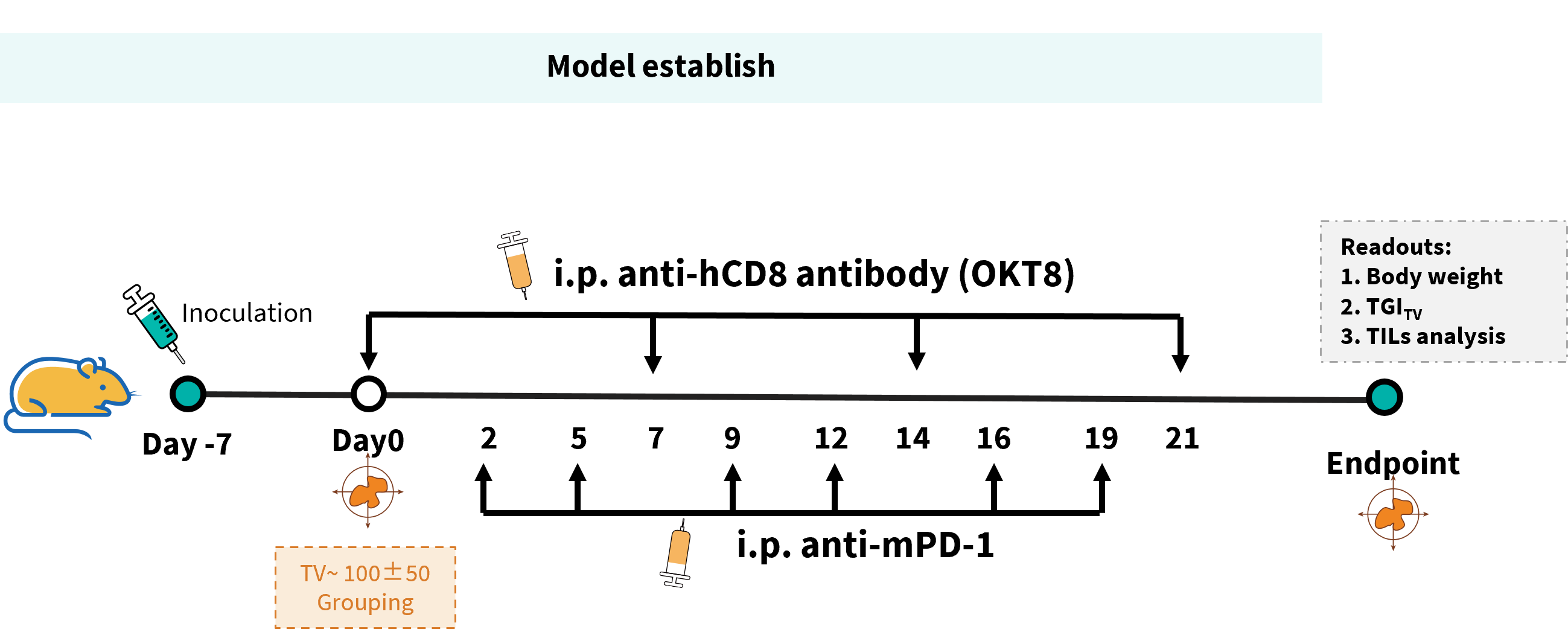
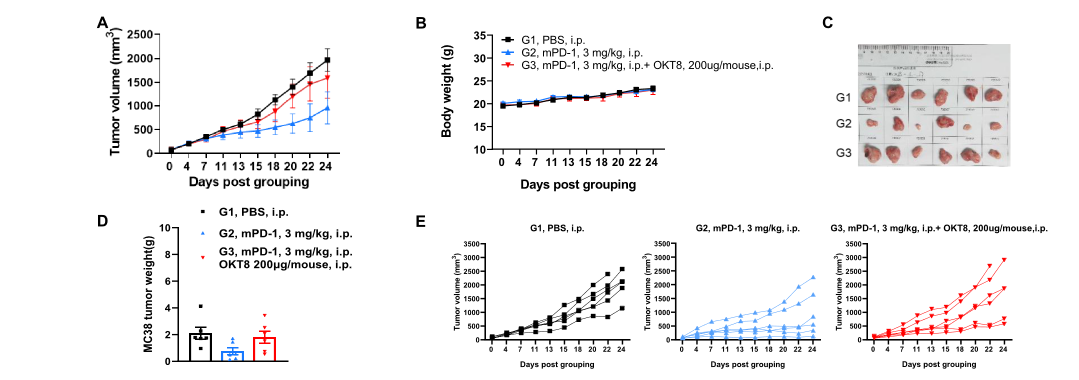
      The impact of CD8 + T cell depletion on the efficacy of anti-mouse PD-1 antibody (A) Experimental scheme. (B) Effect of anti-mouse PD-1 antibody on MC38 tumor growth in B-hCD8 mice, with or without CD8+ T cell depletion. (C) Body weight changes during tumor growth observation. (D-E) MC38 tumor weight measurement after the mice were sacrificed. B-hCD8 mice received a subcutaneous flank injection of 5×10⁵  MC38 cells. Treatment with anti-mouse PD-1 antibody or the CD8+ T cell-depleting antibody OKT8 was initiated when tumor volume reached approximately 100 mm3, following the regimen detailed in the pane A. As shown in panel B, anti-mPD-1 antibody treatment exhibited stronger inhibitory efficacy than CD8+ T cell depletion, demonstrating the critical tumor-killing function of CD8+ T cells in B-hCD8 mice. These results validate the B-hCD8 mice as a powerful preclinical model for in vivo assessment of anti-tumor efficacy in the context of a humanized CD8+ T cell compartment. Values are expressed as mean ± SEM.

      In vivo efficacy of anti-mouse PD-1 antibody individual tumor growth curves

      Antitumor activity of anti-mouse PD-1 antibody against syngeneic tumors. MC38 tumor cells growth of individual mice.

      CD8+T cell depletion blocks the therapeutic effect of anti-mouse PD-1 antibody

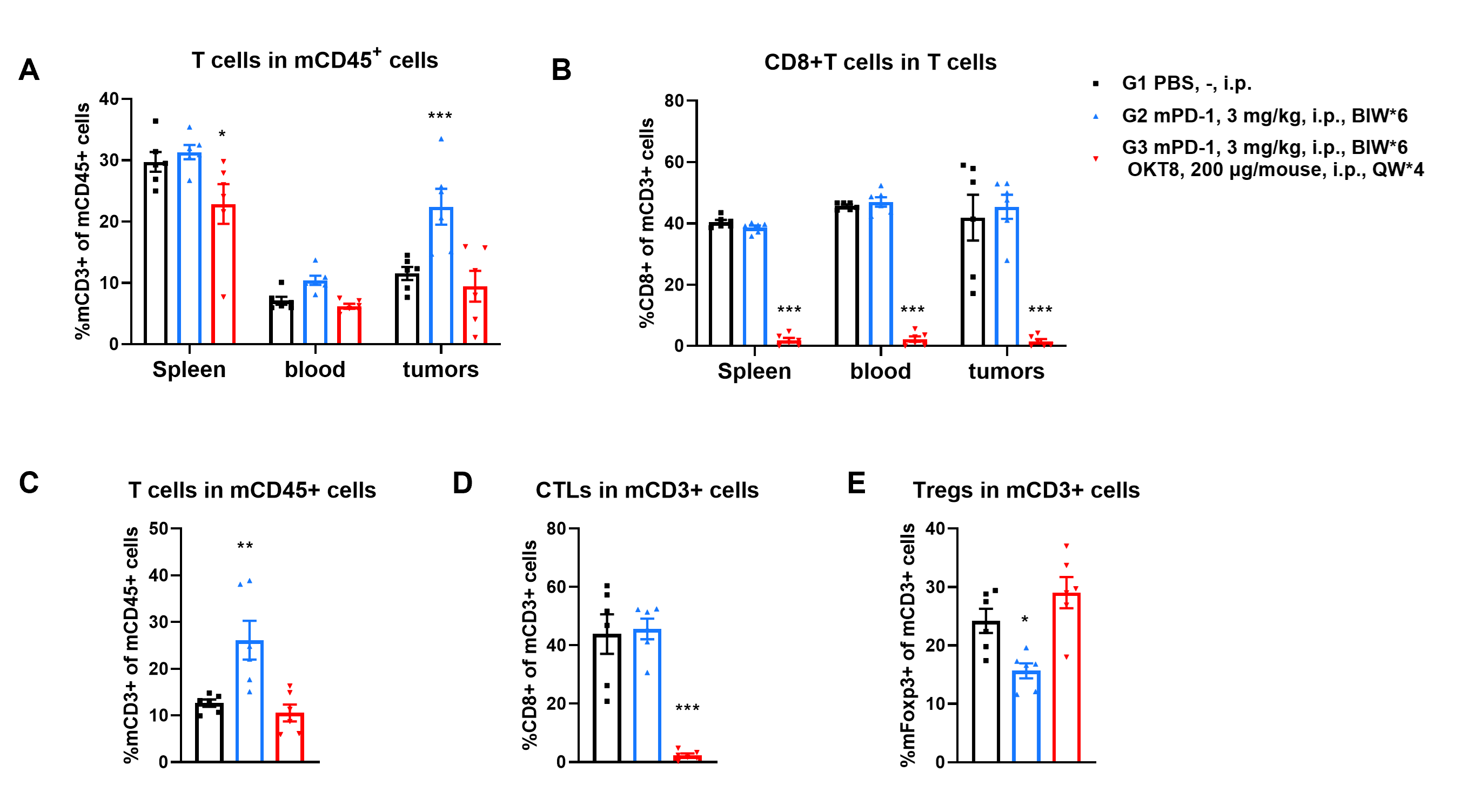
      The impact of CD8 + T cell depletion on the efficacy of anti-mouse PD-1 antibody. (A-B) Demonstration of CD8+ T cell depletion by flow cytometry. Depletion was performed by OKT8 administration once per week (200 μg/mouse) starting 2 days prior to start of treatments. There was a significant decreasing of CD3+ T cells in the spleen, whereas no significance was observed in the blood and tumors for the combination of anti-mPD-1 antibody and OKT8 (A). Demonstration of near complete CD8+ T cell depletion in spleen, blood and tumor on day 24 from last OKT8 administration in combination of anti-mPD-1 antibody and OKT8 (B). (C-E) Tumors from MC38 tumor-bearing mice that were treatmented with the PBS, anti-mPD-1, and combination of anti-mPD-1 antibody and OKT8 were analyzed on day 24. Analysis of CD3+ T, CD8+ T and Tregs in the tumors determined by the flow cytometric assay. For tumor-infiltrated T (C) and Tregs (E), the percentages (in CD45+ cells) were not significantly changed, tumor-infiltrated CD8+ T cells was decreased significantly  in combination of anti-mPD-1 antibody and OKT8 (D).

      Hematology analysis

      Complete blood count (CBC) of C57BL/6JNifdc mice. Values are expressed as mean ± SD.
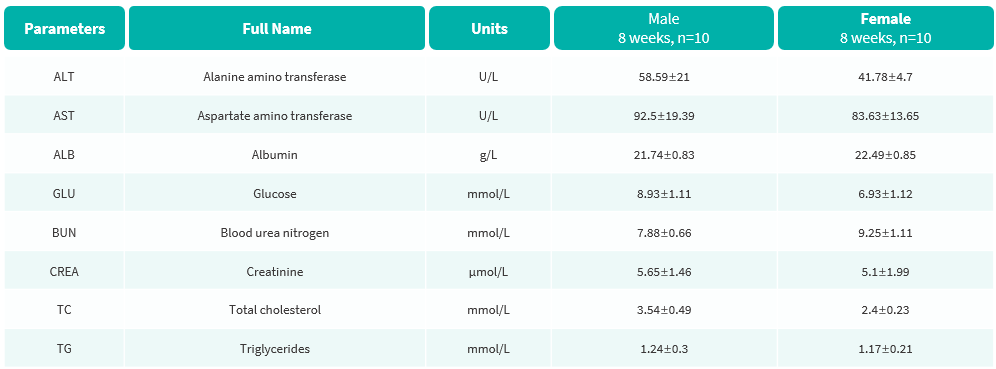
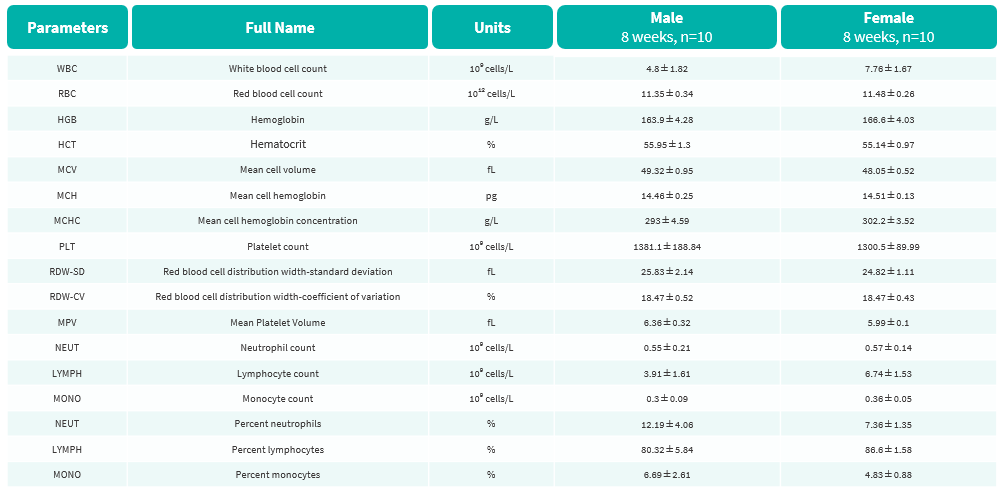
      Complete blood count (CBC) of B-hCD8 mice. Values are expressed as mean ± SD.

      Biochemistry analysis

      Biochemical test of C57BL/6JNifdc mice. Values are expressed as mean ± SD.

      Biochemical test of B-hCD8 mice. Values are expressed as mean ± SD.

      Gross anatomy of female mice

      The organs of female C57BL/6JNifdc mice (8-week-old, n=10).

      Gross anatomy of male mice

      The organs of male C57BL/6JNifdc mice (8-week-old, n=10).

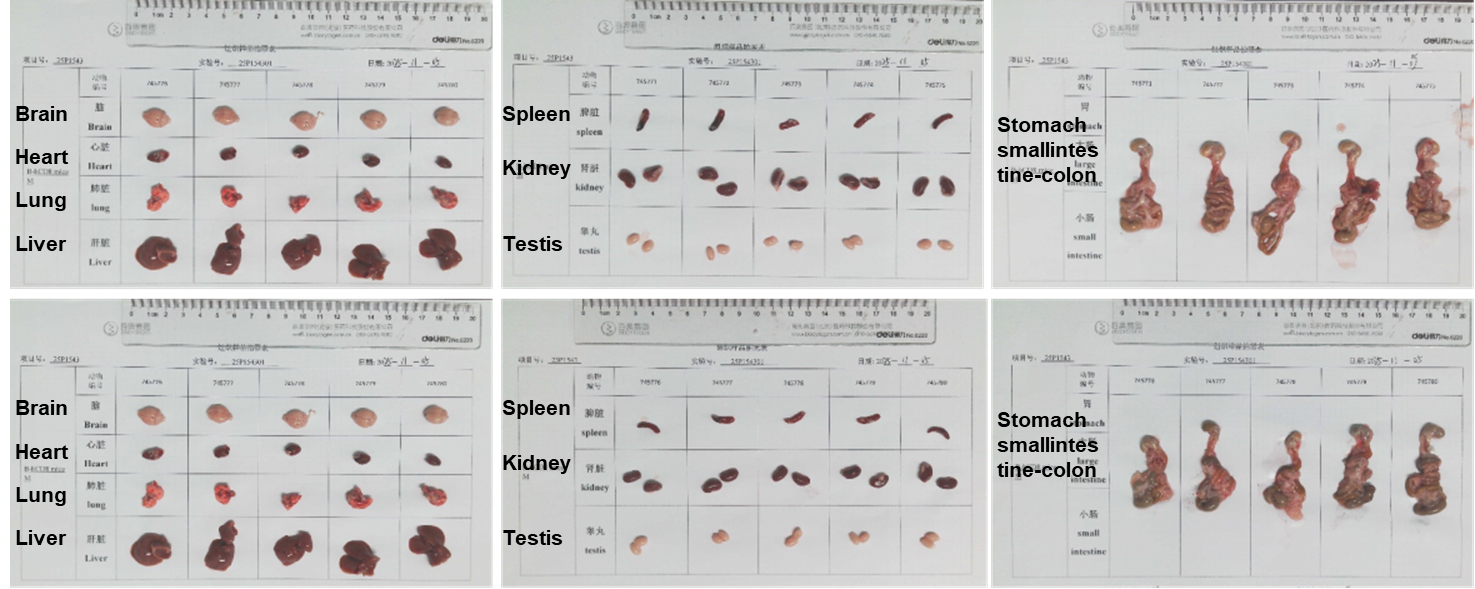
      Gross anatomy of female mice

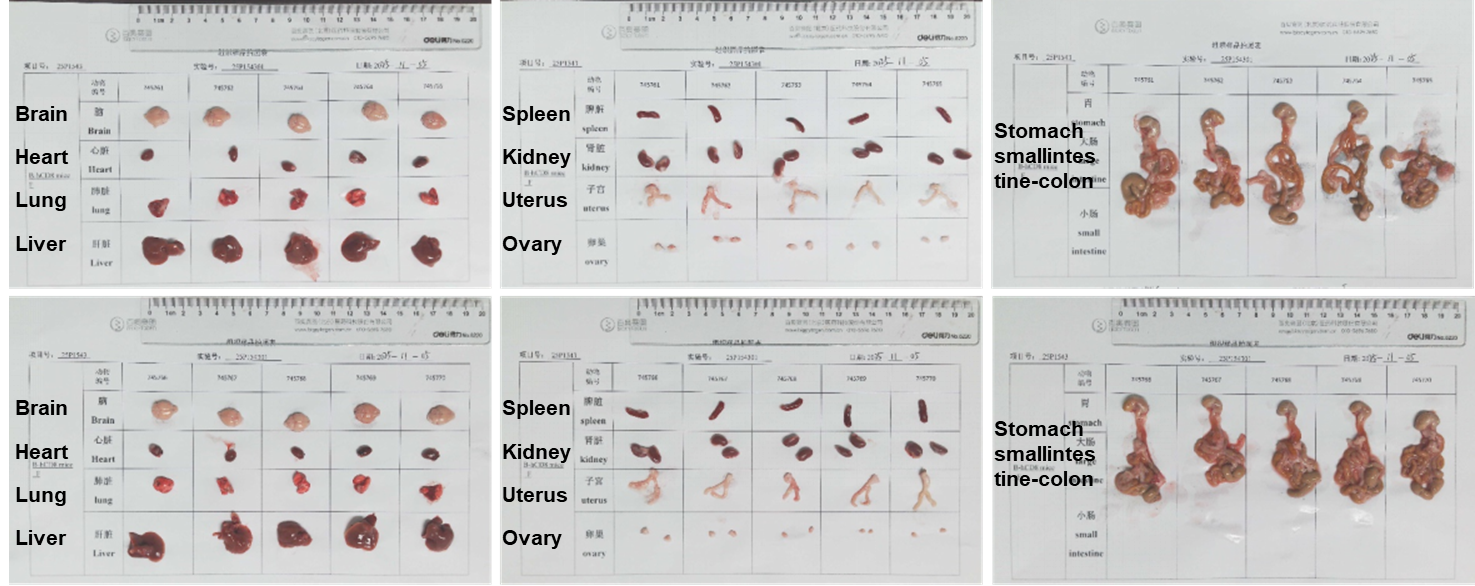
      The organs of female B-hCD8 mice (8-week-old, n=10).

      Gross anatomy of male mice

      The organs of male B-hCD8 mice (8-week-old, n=10).

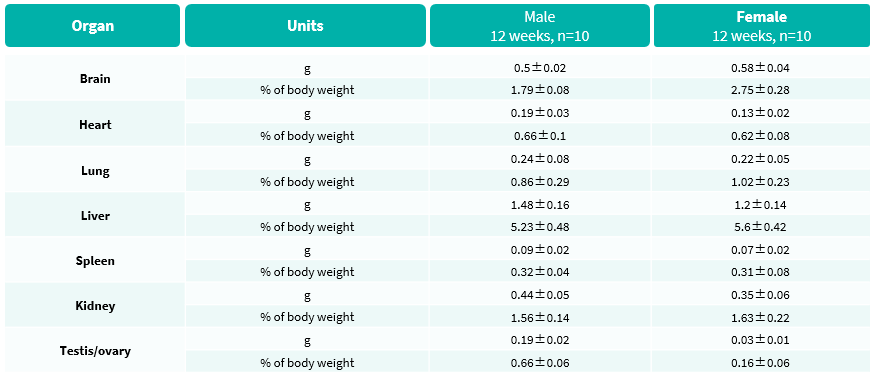
      Organ weight and coefficient

      Average weight of the main organs of C57BL/6JNifdc mice. Values are expressed as mean ± SD.

      Average weight of the main organs of B-hCD8 mice. Values are expressed as mean ± SD.

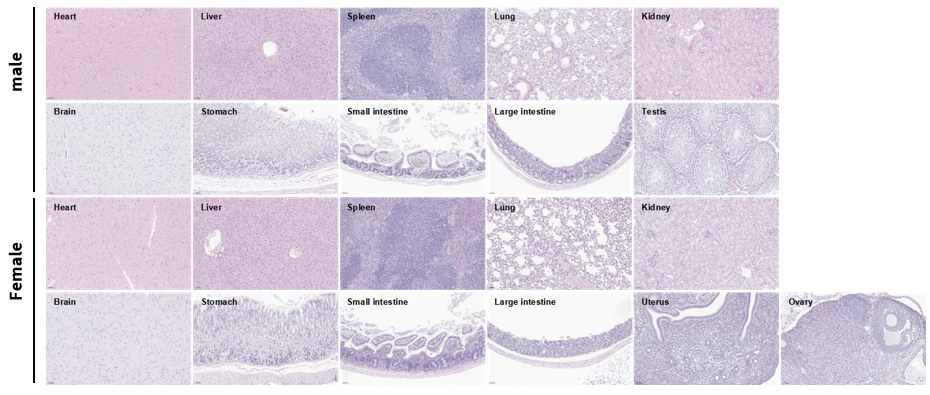
      Histopathological analysis

      Histopathological analysis of organs in C57BL/6JNifdc mice. The main organs of C57BL/6JNifdc mice were isolated at 8 weeks of age and analyzed with H&E staining (male, n=10; female, n=10). Results showed that no obvious abnormalities were found in all of the organs (heart, liver, spleen, lung, kidney, brain, stomach, small intestine, large intestine, ovary, uterus and testis). Scale bar: 50 μm.

      Histopathological analysis of organs in B-hCD8 mice. The main organs of B-hCD8 mice were isolated at 8 weeks of age and analyzed with H&E staining (male, n=10; female, n=10). Results showed that no obvious abnormalities were found in all of the organs (heart, liver, spleen, lung, kidney, brain, stomach, small intestine, large intestine, ovary, uterus and testis). Scale bar: 50 μm.

      Frequently Asked Questions (FAQs) About CD8 Humanized Mice (B-hCD8)

      Q1: What are humanized CD8 mice used for?

      B-hCD8 mice express human CD8A/CD8B on cytotoxic T cells, making them suitable for human CD8-targeting antibody validation, preclinical immuno-oncology studies, and T-cell activation research.

      Q2: Do B-hCD8 mice maintain normal immune cell composition?

      Yes. Spleen, blood, and lymph-node data (n=3, female, 9 weeks) show T cells, B cells, NK cells, dendritic cells, granulocytes and monocytes remain comparable to WT controls.

      Q3: Can B-hCD8 mice be used for in vivo antibody efficacy testing?

      Absolutely. The physiologic human CD8 expression enables in vivo binding, depletion, activation, and mechanistic studies for human-specific CD8 antibodies.

      Q4: Do B-hCD8 mice mount normal T-cell responses?

      Yes. OVA immunization experiments confirm intact antigen-specific T-cell immunity.

      Q5: Are these mice on a widely used genetic background?

      Yes. They are on the C57BL/6 background, compatible with tumor models, IO studies, adoptive transfer, vaccine studies, and combination-therapy designs.

      * When publishing results obtained using this animal model, please acknowledge the source as follows: The animal model [B-hCD8 mice] (Cat# 112811) was purchased from Biocytogen.